
New Combi Boiler Southampton: Is a Combi the Right Choice for Your Home?
Choosing a combi boiler depends on more than simply the size of your home. Hot water demand, mains water pressure, available space, bathrooms and your existing heating system all need to be considered. This guide explains how combi boilers work, which homes they may suit, and what to consider before choosing a new boiler.

Why you can trust our content
We understand that the boiler industry can be confusing, with plenty of outdated or misleading information. That’s why we rely only on trusted, proven sources to guide our advice and installations:



At a glance
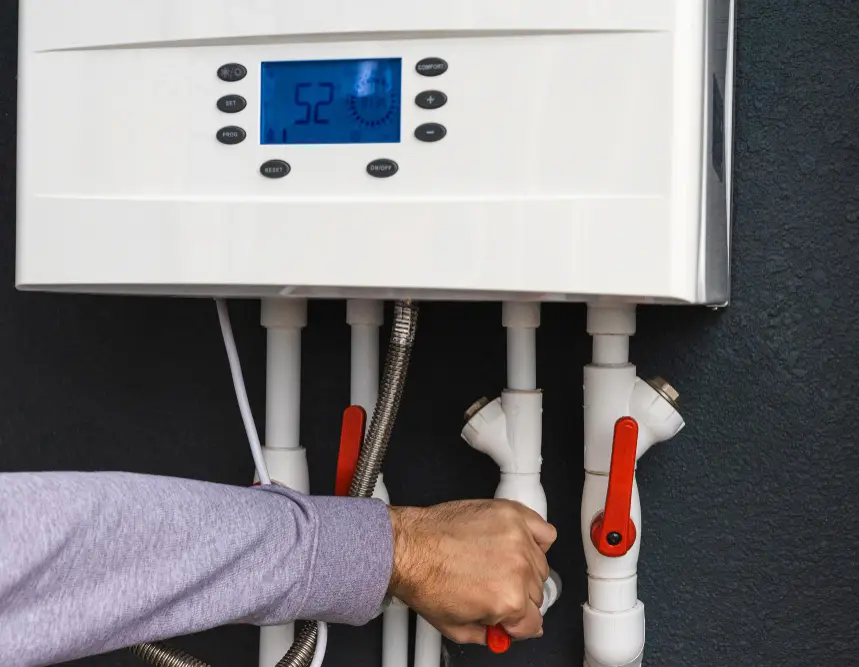
Combi boilers are one of the most familiar heating choices in UK homes because they provide heating and hot water from a single appliance without normally needing a separate hot water cylinder. For many households, that combination of compact design and straightforward operation makes them an attractive replacement option.
However, choosing a combi should not simply be a case of selecting the boiler type you have heard about most often. Your hot water demand, number of bathrooms, available space and existing heating system all matter. The right choice is the system that fits how your household actually uses heating and hot water.
What exactly is a combi boiler?
A combination boiler, usually shortened to combi boiler, provides central heating and heats mains water as it is needed. Unlike some traditional systems, there is normally no separate hot water cylinder storing a large volume of heated water.
When you open a hot tap, the boiler heats the incoming mains water and delivers it directly to the outlet. This can make the system compact and convenient, particularly in homes where space is limited.
The absence of a cylinder can also mean:
- Less equipment taking up cupboard space
- Hot water is heated when required
- There is no stored hot water waiting in a cylinder
- The system layout can be relatively simple
- Some older tanks or cylinders may no longer be required after a suitable conversion
That does not automatically make a combi the right choice for every property. The way it produces hot water is also the reason household demand needs to be assessed carefully.
Which homes tend to suit a combi boiler?
Combi boilers can work particularly well in smaller and medium-sized homes where hot water demand is moderate and several showers or taps are not constantly being used at exactly the same time.
For example, a property with one main bathroom and a household that generally uses one shower at a time may suit a combi setup very well. Homes where space is at a premium can also benefit because there is no requirement for a traditional hot water cylinder.
A new combi boiler Southampton homeowner is considering should therefore be selected around the property and household rather than simply on the basis of boiler brand or physical size.
If you are unsure whether your home suits a combi system, contact Heatworks UK for an assessment of your current setup and typical hot water demand.
Could your hot water demand make another system more suitable?
Yes. Hot water demand is one of the most important considerations when deciding whether a combi is appropriate.
Because a combi heats water as it passes through the appliance, its performance is influenced by the incoming mains supply and the amount of hot water being requested at once. In homes where several bathrooms are regularly used simultaneously, another system arrangement may sometimes provide a better match.
Think about how your household typically uses hot water:
- Are two showers often used at the same time?
- Is a bath commonly filled while another tap is running?
- How many people live in the property?
- Are there multiple bathrooms or en suites?
- Do morning and evening routines create periods of heavy demand?
An installer should consider these habits before recommending a boiler rather than focusing only on the number of bedrooms.
How do combi boilers compare with other common boiler systems?
The main difference is how hot water is produced and stored.
| System type | Hot water arrangement | Space requirement | Often considered for |
| Combi boiler | Heats water directly when required | Generally compact | Homes with moderate hot water demand |
| System boiler | Usually works with a hot water cylinder | Requires cylinder space | Homes with greater simultaneous hot water demand |
| Regular boiler | Usually uses a cylinder plus additional system components | More equipment required | Some properties retaining traditional heating layouts |
There is no universal winner. The important question is which arrangement best suits the property, water supply and household routine.
Replacing an existing combi with another may also involve less alteration than changing from a traditional cylinder-based system. That is one reason the current setup should be examined before a recommendation is made.
Why does mains water pressure matter?
A combi relies directly on the incoming mains water supply for hot water performance. If the incoming flow rate is poor, fitting a more powerful boiler does not necessarily solve the underlying issue.
An installer may therefore check water pressure and flow as part of the assessment. This helps establish whether the proposed boiler can deliver the level of performance the household expects.
It is worth discussing expectations clearly. If you have experienced weak showers or noticeable changes when more than one tap is used, mention this during the survey rather than assuming the new appliance will automatically change it.
A professional combi boiler installation Southampton homeowners are considering should take these practical factors into account before the boiler model is finalised.
Space-saving benefits of a combi boiler
One of the strongest reasons homeowners consider a combi is the potential to free up space.
If a suitable system conversion allows an old hot water cylinder or storage tank to be removed, the cupboard or surrounding space may become available for another use. This can be valuable in smaller homes where storage is limited.
However, converting a system purely to gain cupboard space should still be weighed against hot water requirements. A compact system is useful only if it can comfortably meet the needs of the people living in the property.
Heatworks UK can help compare the practical advantages of a combi with the demands of your household before you commit to a particular system.
Let’s get started, Which fuel powers your boiler?
Mains Gas
LPG
It just takes 60 Sec
And then you can book a free consultation
Does property size determine whether you can have a combi?
Not by itself.
A larger property does not automatically rule out a combi, just as a smaller property does not automatically make one the best choice. What matters more is the combination of heat demand, hot water usage, bathrooms, water supply and the boiler output required.
This is why boiler selection should be based on proper assessment rather than rules such as “three bedrooms means this boiler size”.
Two similar-looking homes can have very different heating requirements because of:
- Insulation levels
- Property age
- Extensions
- Number and size of radiators
- Number of bathrooms
- Household occupancy
- Heating habits
A survey gives the installer the information needed to make a more informed recommendation.
What happens if you are converting from another boiler type?
Changing from a system or regular boiler to a combi can involve more work than a straightforward replacement.
Depending on the existing arrangement, the job may include removing redundant components, adapting pipework and changing how hot water is supplied through the property. The installer also needs to confirm that the mains water supply is appropriate for the proposed setup.
The additional work does not mean conversion is a bad idea. It simply needs to be planned properly.
Before agreeing to a conversion, ask:
- Which existing components will be removed?
- Will pipework need to change?
- How will hot water performance differ?
- Are there areas of the property that need additional access?
- How long is the work expected to take?
- Is all conversion work included in the quotation?
What are the main advantages and limitations?
Looking at both sides of the decision can help keep expectations realistic.
Potential advantages
A combi can offer:
- A compact heating and hot water arrangement
- No conventional hot water cylinder in many installations
- Hot water heated when required
- A good fit for many smaller and medium-sized households
- Straightforward controls when the system is designed correctly
Points to consider
You should also consider:
- Simultaneous hot water demand
- Incoming mains pressure and flow
- The number of bathrooms
- Whether your current system needs significant conversion work
- Whether another boiler arrangement would better support your household
The aim is not to choose the simplest boiler on paper. It is to choose the system that is most appropriate for your property.
Related articles



Let’s get started, Which fuel powers your boiler?
Mains Gas
LPG
At a glance
Combi boilers are one of the most familiar heating choices in UK homes because they provide heating and hot water from a single appliance without normally needing a separate hot water cylinder. For many households, that combination of compact design and straightforward operation makes them an attractive replacement option.
However, choosing a combi should not simply be a case of selecting the boiler type you have heard about most often. Your hot water demand, number of bathrooms, available space and existing heating system all matter. The right choice is the system that fits how your household actually uses heating and hot water.
What exactly is a combi boiler?
A combination boiler, usually shortened to combi boiler, provides central heating and heats mains water as it is needed. Unlike some traditional systems, there is normally no separate hot water cylinder storing a large volume of heated water.
When you open a hot tap, the boiler heats the incoming mains water and delivers it directly to the outlet. This can make the system compact and convenient, particularly in homes where space is limited.
The absence of a cylinder can also mean:
- Less equipment taking up cupboard space
- Hot water is heated when required
- There is no stored hot water waiting in a cylinder
- The system layout can be relatively simple
- Some older tanks or cylinders may no longer be required after a suitable conversion
That does not automatically make a combi the right choice for every property. The way it produces hot water is also the reason household demand needs to be assessed carefully.
Which homes tend to suit a combi boiler?
Combi boilers can work particularly well in smaller and medium-sized homes where hot water demand is moderate and several showers or taps are not constantly being used at exactly the same time.
For example, a property with one main bathroom and a household that generally uses one shower at a time may suit a combi setup very well. Homes where space is at a premium can also benefit because there is no requirement for a traditional hot water cylinder.
A new combi boiler Southampton homeowner is considering should therefore be selected around the property and household rather than simply on the basis of boiler brand or physical size.
If you are unsure whether your home suits a combi system, contact Heatworks UK for an assessment of your current setup and typical hot water demand.
Could your hot water demand make another system more suitable?
Yes. Hot water demand is one of the most important considerations when deciding whether a combi is appropriate.
Because a combi heats water as it passes through the appliance, its performance is influenced by the incoming mains supply and the amount of hot water being requested at once. In homes where several bathrooms are regularly used simultaneously, another system arrangement may sometimes provide a better match.
Think about how your household typically uses hot water:
- Are two showers often used at the same time?
- Is a bath commonly filled while another tap is running?
- How many people live in the property?
- Are there multiple bathrooms or en suites?
- Do morning and evening routines create periods of heavy demand?
An installer should consider these habits before recommending a boiler rather than focusing only on the number of bedrooms.
How do combi boilers compare with other common boiler systems?
The main difference is how hot water is produced and stored.
| System type | Hot water arrangement | Space requirement | Often considered for |
| Combi boiler | Heats water directly when required | Generally compact | Homes with moderate hot water demand |
| System boiler | Usually works with a hot water cylinder | Requires cylinder space | Homes with greater simultaneous hot water demand |
| Regular boiler | Usually uses a cylinder plus additional system components | More equipment required | Some properties retaining traditional heating layouts |
There is no universal winner. The important question is which arrangement best suits the property, water supply and household routine.
Replacing an existing combi with another may also involve less alteration than changing from a traditional cylinder-based system. That is one reason the current setup should be examined before a recommendation is made.
Why does mains water pressure matter?
A combi relies directly on the incoming mains water supply for hot water performance. If the incoming flow rate is poor, fitting a more powerful boiler does not necessarily solve the underlying issue.
An installer may therefore check water pressure and flow as part of the assessment. This helps establish whether the proposed boiler can deliver the level of performance the household expects.
It is worth discussing expectations clearly. If you have experienced weak showers or noticeable changes when more than one tap is used, mention this during the survey rather than assuming the new appliance will automatically change it.
A professional combi boiler installation Southampton homeowners are considering should take these practical factors into account before the boiler model is finalised.
Space-saving benefits of a combi boiler
One of the strongest reasons homeowners consider a combi is the potential to free up space.
If a suitable system conversion allows an old hot water cylinder or storage tank to be removed, the cupboard or surrounding space may become available for another use. This can be valuable in smaller homes where storage is limited.
However, converting a system purely to gain cupboard space should still be weighed against hot water requirements. A compact system is useful only if it can comfortably meet the needs of the people living in the property.
Heatworks UK can help compare the practical advantages of a combi with the demands of your household before you commit to a particular system.
Let’s get started, Which fuel powers your boiler?
Mains Gas
LPG
It just takes 60 Sec
And then you can book a free consultation
Does property size determine whether you can have a combi?
Not by itself.
A larger property does not automatically rule out a combi, just as a smaller property does not automatically make one the best choice. What matters more is the combination of heat demand, hot water usage, bathrooms, water supply and the boiler output required.
This is why boiler selection should be based on proper assessment rather than rules such as “three bedrooms means this boiler size”.
Two similar-looking homes can have very different heating requirements because of:
- Insulation levels
- Property age
- Extensions
- Number and size of radiators
- Number of bathrooms
- Household occupancy
- Heating habits
A survey gives the installer the information needed to make a more informed recommendation.
What happens if you are converting from another boiler type?
Changing from a system or regular boiler to a combi can involve more work than a straightforward replacement.
Depending on the existing arrangement, the job may include removing redundant components, adapting pipework and changing how hot water is supplied through the property. The installer also needs to confirm that the mains water supply is appropriate for the proposed setup.
The additional work does not mean conversion is a bad idea. It simply needs to be planned properly.
Before agreeing to a conversion, ask:
- Which existing components will be removed?
- Will pipework need to change?
- How will hot water performance differ?
- Are there areas of the property that need additional access?
- How long is the work expected to take?
- Is all conversion work included in the quotation?
What are the main advantages and limitations?
Looking at both sides of the decision can help keep expectations realistic.
Potential advantages
A combi can offer:
- A compact heating and hot water arrangement
- No conventional hot water cylinder in many installations
- Hot water heated when required
- A good fit for many smaller and medium-sized households
- Straightforward controls when the system is designed correctly
Points to consider
You should also consider:
- Simultaneous hot water demand
- Incoming mains pressure and flow
- The number of bathrooms
- Whether your current system needs significant conversion work
- Whether another boiler arrangement would better support your household
The aim is not to choose the simplest boiler on paper. It is to choose the system that is most appropriate for your property.