
How a New Boiler Can Cut Your Energy Bills This Winter
When most homeowners think about replacing their boiler, the first thought that often comes to mind is efficiency. A modern boiler certainly uses less energy, which means lower bills and a reduced carbon footprint. But the real value of a new boiler goes beyond energy savings — it’s also an investment in year-round comfort, peace of mind, and even the future value of your home.

Why you can trust our content
We understand that the boiler industry can be confusing, with plenty of outdated or misleading information. That’s why we rely only on trusted, proven sources to guide our advice and installations:



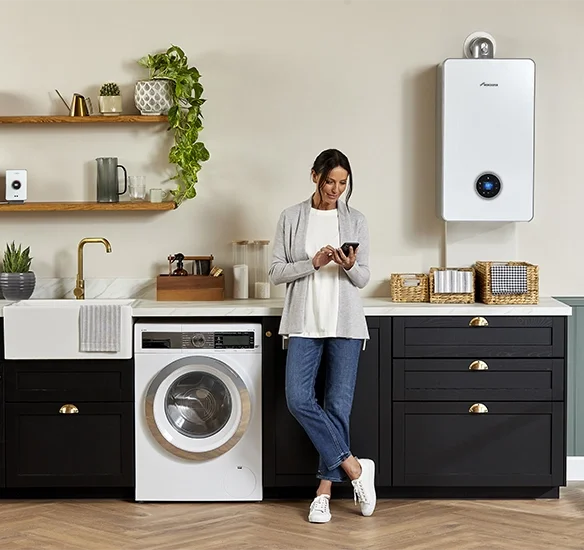
How a Modern Boiler Improves Your Home Efficiency
Why Your Old Boiler Could Be Costing You More
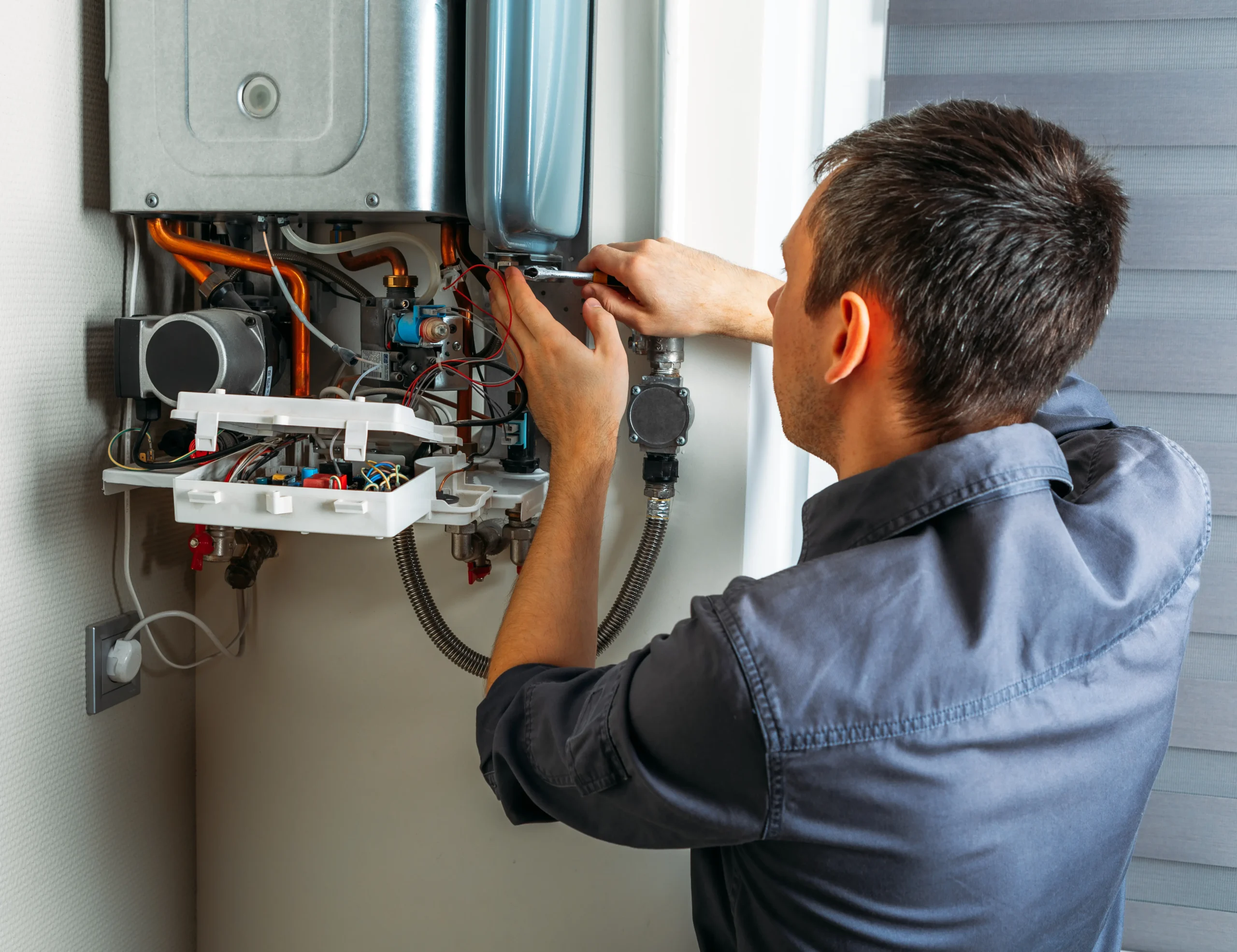
Older boilers, especially those installed over 10–15 years ago, are often far less efficient than modern models. Many traditional boilers waste a significant amount of energy, releasing excess heat through the flue rather than converting it into usable warmth for your home. This means you end up paying more for energy that never actually heats your living space.
Common signs your boiler may be driving up costs include:
- Frequent breakdowns and costly repairs
- Strange noises or leaks
- Inconsistent heating or hot water
- Higher than average energy bills compared to similar households
Let’s get started, Which fuel powers your boiler?
Mains Gas
LPG
It just takes 60 Sec
And then you can book a free consultation
The Benefits of a Modern, Energy-Efficient Boiler
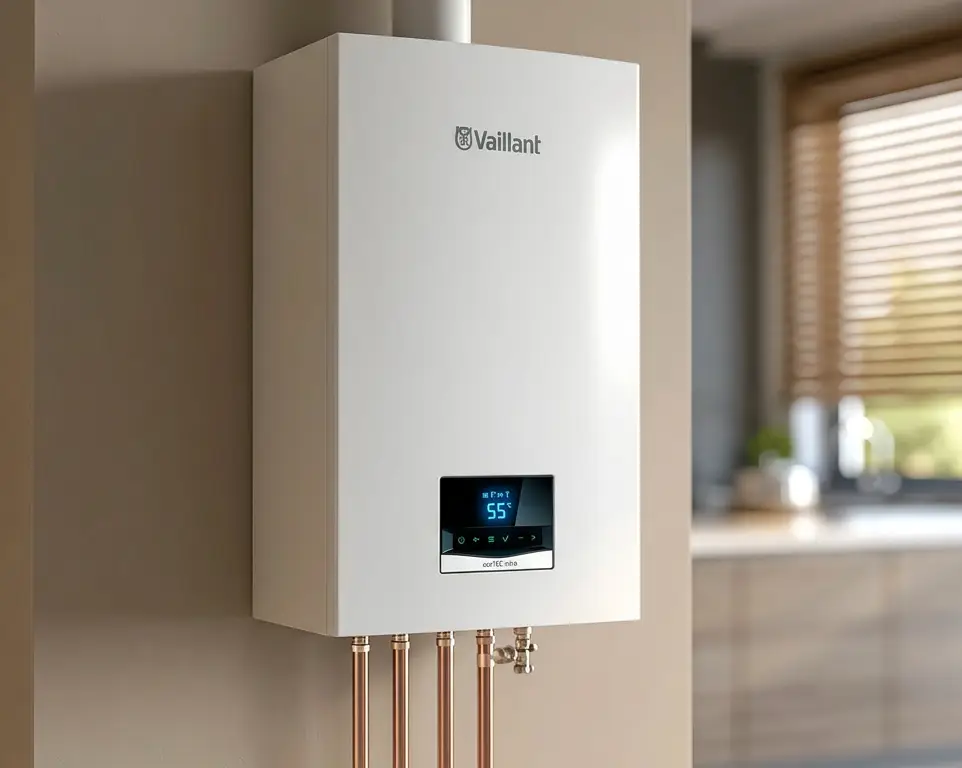
Upgrading to a new A-rated condensing boiler can bring several financial and practical benefits:
- Lower energy bills – Modern boilers are designed to convert more of the fuel they burn into usable heat, reducing wasted energy and saving you money each month.
- Smart heating compatibility – Many new systems work seamlessly with smart thermostats, allowing you to control your heating more precisely and avoid unnecessary energy use.
- Reliability and safety – New boilers are less likely to break down during the coldest months, sparing you unexpected repair bills and providing peace of mind.
- Eco-friendly performance – Greater efficiency means a lower carbon footprint, helping you do your bit for the environment while also saving money.
How Much Could You Save?
According to the Energy Saving Trust, replacing an old, inefficient boiler with a modern condensing boiler could save a typical household up to hundreds of pounds per year on energy bills, depending on the size of the home and heating demand. While the upfront cost of installation can feel daunting, the long-term savings often make it a worthwhile investment.
Staying Warm Without Breaking the Bank
With energy costs still high, making your heating system more efficient is one of the most practical steps you can take this winter. If your current boiler is showing its age, now could be the right time to invest in a modern replacement. Not only will you enjoy a warmer, more comfortable home, but you’ll also see the benefits reflected in your energy bills for years to come.
Related articles
Let’s get started, Which fuel powers your boiler?
Mains Gas
LPG
How a Modern Boiler Improves Your Home Efficiency
Why Your Old Boiler Could Be Costing You More
Older boilers, especially those installed over 10–15 years ago, are often far less efficient than modern models. Many traditional boilers waste a significant amount of energy, releasing excess heat through the flue rather than converting it into usable warmth for your home. This means you end up paying more for energy that never actually heats your living space.
Common signs your boiler may be driving up costs include:
- Frequent breakdowns and costly repairs
- Strange noises or leaks
- Inconsistent heating or hot water
- Higher than average energy bills compared to similar households
Let’s get started, Which fuel powers your boiler?
Mains Gas
LPG
It just takes 60 Sec
And then you can book a free consultation
The Benefits of a Modern, Energy-Efficient Boiler
Upgrading to a new A-rated condensing boiler can bring several financial and practical benefits:
- Lower energy bills – Modern boilers are designed to convert more of the fuel they burn into usable heat, reducing wasted energy and saving you money each month.
- Smart heating compatibility – Many new systems work seamlessly with smart thermostats, allowing you to control your heating more precisely and avoid unnecessary energy use.
- Reliability and safety – New boilers are less likely to break down during the coldest months, sparing you unexpected repair bills and providing peace of mind.
- Eco-friendly performance – Greater efficiency means a lower carbon footprint, helping you do your bit for the environment while also saving money.
How Much Could You Save?
According to the Energy Saving Trust, replacing an old, inefficient boiler with a modern condensing boiler could save a typical household up to hundreds of pounds per year on energy bills, depending on the size of the home and heating demand. While the upfront cost of installation can feel daunting, the long-term savings often make it a worthwhile investment.
Staying Warm Without Breaking the Bank
With energy costs still high, making your heating system more efficient is one of the most practical steps you can take this winter. If your current boiler is showing its age, now could be the right time to invest in a modern replacement. Not only will you enjoy a warmer, more comfortable home, but you’ll also see the benefits reflected in your energy bills for years to come.