
Should You Install a Smart Thermostat with your New Boiler?
As energy prices continue to fluctuate, everyone is looking for smarter ways to reduce bills and improve comfort at home. One of the simplest upgrades you can make to your heating system is installing a smart thermostat. These clever devices promise convenience, better control and energy savings — but are they really worth it? Here’s everything you need to know before making the switch.

Why you can trust our content
We understand that the boiler industry can be confusing, with plenty of outdated or misleading information. That’s why we rely only on trusted, proven sources to guide our advice and installations:



Key Benefits of Smart Thermostat Upgrades
What Is a Smart Thermostat?
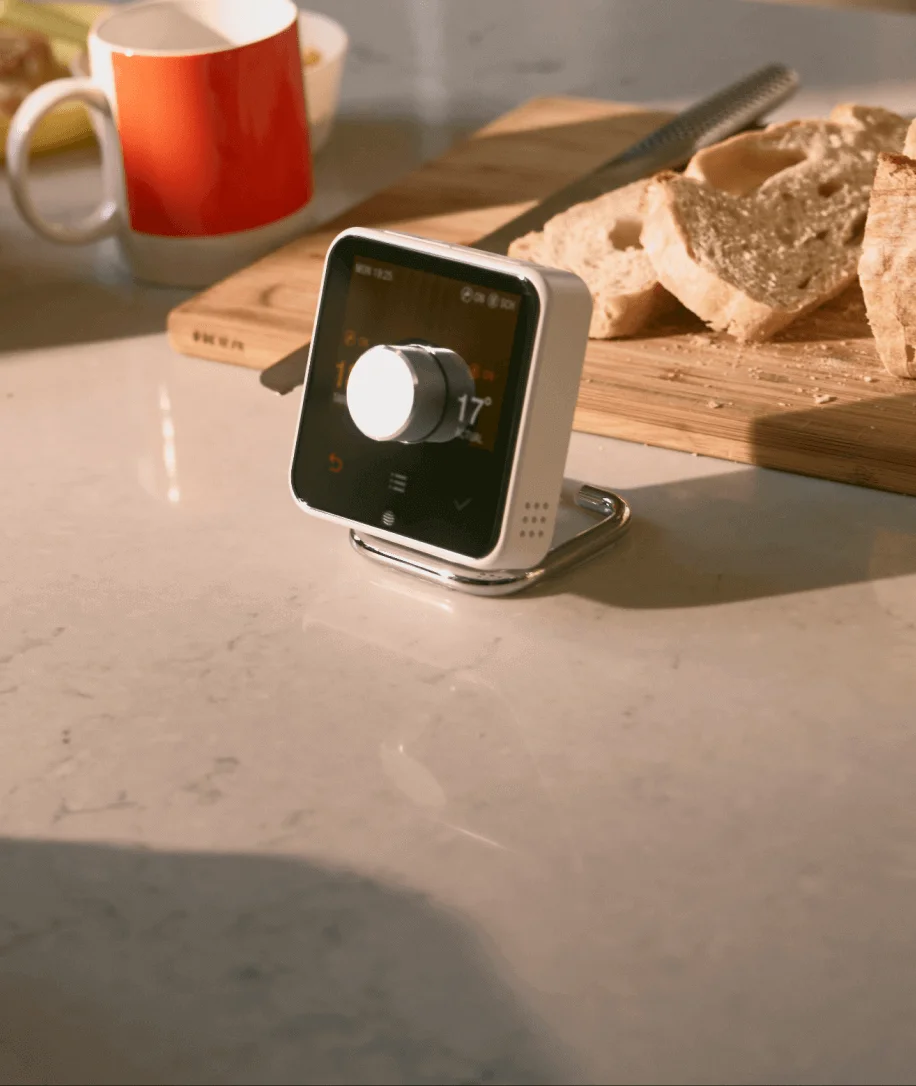
A smart thermostat is a Wi-Fi-connected device that allows you to control your heating remotely through a smartphone app, tablet or voice assistant. Unlike traditional thermostats, which simply turn your boiler on or off based on a set temperature, smart thermostats are designed to learn your habits and adjust heating schedules automatically. For instance, a smart thermostat can detect when you’ve left the house and lower the temperature to save energy — then warm your home back up before you return.
Some of the most popular brands in the UK include Nest and Hive, each one offering slightly different features, designs and levels of control.
The Main Benefits of Smart Thermostats
Switching to a smart thermostat isn’t just about convenience; it’s about taking greater control over how you use energy in your home. Here are the main reasons why so many homeowners are making the change:
1. Lower Energy Bills
Smart thermostats are designed to help you save money by heating your home more efficiently. Instead of running your boiler on a fixed schedule — even when nobody’s in — a smart thermostat adjusts automatically. It can also provide detailed insights into your energy use, helping you understand where you can cut waste.
According to the Energy Saving Trust, turning your thermostat down by just 1°C could reduce your heating bill by up to 10%. A smart thermostat makes these small but effective adjustments automatically, meaning you save money without even thinking about it.
2. Ultimate Convenience
Gone are the days of coming home to a cold house or forgetting to switch the heating off before heading out. With a smart thermostat, you can control your heating anytime, anywhere, directly from your smartphone. Whether you’re returning early from work or away for the weekend, you can easily adjust your home’s temperature on the go.
Some models even respond to voice commands through smart assistants like Alexa or Google Home. Just say, “Set the temperature to 20 degrees,” and it’s done.
3. Personalised Heating Schedules
Traditional thermostats let you set fixed times for your heating to turn on and off — but smart thermostats take this much further. Over time, they learn your daily routines and automatically create heating schedules tailored to you.
If you tend to wake up at 7am and leave the house by 8:30, the thermostat learns to warm up your home just before you get up, then reduce the temperature once you’ve left. It’s a more intuitive, efficient approach to home heating that maximises comfort while minimising waste.
4. Compatibility with Zoned Heating
Some smart thermostats work with smart radiator valves to offer “zoned heating,” allowing you to control different rooms independently. That means you can heat only the rooms you’re using — for example, keeping the living room warm while leaving unused bedrooms cooler. Zoned heating can significantly reduce energy consumption and increase comfort.
5. Better Insight into Energy Use
One of the key advantages of smart thermostats is the ability to track your energy usage in real time. Most apps provide detailed reports, showing when and how often your heating is running. With this data, you can spot patterns and make informed decisions about where to reduce consumption. It’s an excellent tool for anyone looking to make their home more energy-efficient and environmentally friendly.
Let’s get started, Which fuel powers your boiler?
Mains Gas
LPG
It just takes 60 Sec
And then you can book a free consultation
Are There Any Downsides?
While smart thermostats offer clear benefits, they may not be for everyone. Here are a few points to consider before investing:
That said, for most homeowners, the convenience, savings, and comfort improvements make smart thermostats a worthwhile investment.
Who Can Benefit Most from a Smart Thermostat?
Almost any household can benefit from upgrading to a smart thermostat, but the advantages are particularly noticeable if:
Final Thoughts
Even if you work from home, a smart thermostat can adapt to your changing daily routine, helping maintain consistent comfort while avoiding unnecessary energy use.
A smart thermostat is one of the simplest and most effective upgrades you can make to your home’s heating system. It gives you more control, greater comfort, and a genuine opportunity to reduce your energy bills. The long-term savings and convenience often make it a smart investment — both financially and environmentally.
If you’re considering installing a smart thermostat, speak to the team here at Heatworks. We can check compatibility and recommend the best options for your home. Once it’s up and running, you’ll wonder how you ever managed without it.
Related articles
Let’s get started, Which fuel powers your boiler?
Mains Gas
LPG
Key Benefits of Smart Thermostat Upgrades
What Is a Smart Thermostat?
A smart thermostat is a Wi-Fi-connected device that allows you to control your heating remotely through a smartphone app, tablet or voice assistant. Unlike traditional thermostats, which simply turn your boiler on or off based on a set temperature, smart thermostats are designed to learn your habits and adjust heating schedules automatically. For instance, a smart thermostat can detect when you’ve left the house and lower the temperature to save energy — then warm your home back up before you return.
Some of the most popular brands in the UK include Nest and Hive, each one offering slightly different features, designs and levels of control.
The Main Benefits of Smart Thermostats
Switching to a smart thermostat isn’t just about convenience; it’s about taking greater control over how you use energy in your home. Here are the main reasons why so many homeowners are making the change:
1. Lower Energy Bills
Smart thermostats are designed to help you save money by heating your home more efficiently. Instead of running your boiler on a fixed schedule — even when nobody’s in — a smart thermostat adjusts automatically. It can also provide detailed insights into your energy use, helping you understand where you can cut waste.
According to the Energy Saving Trust, turning your thermostat down by just 1°C could reduce your heating bill by up to 10%. A smart thermostat makes these small but effective adjustments automatically, meaning you save money without even thinking about it.
2. Ultimate Convenience
Gone are the days of coming home to a cold house or forgetting to switch the heating off before heading out. With a smart thermostat, you can control your heating anytime, anywhere, directly from your smartphone. Whether you’re returning early from work or away for the weekend, you can easily adjust your home’s temperature on the go.
Some models even respond to voice commands through smart assistants like Alexa or Google Home. Just say, “Set the temperature to 20 degrees,” and it’s done.
3. Personalised Heating Schedules
Traditional thermostats let you set fixed times for your heating to turn on and off — but smart thermostats take this much further. Over time, they learn your daily routines and automatically create heating schedules tailored to you.
If you tend to wake up at 7am and leave the house by 8:30, the thermostat learns to warm up your home just before you get up, then reduce the temperature once you’ve left. It’s a more intuitive, efficient approach to home heating that maximises comfort while minimising waste.
4. Compatibility with Zoned Heating
Some smart thermostats work with smart radiator valves to offer “zoned heating,” allowing you to control different rooms independently. That means you can heat only the rooms you’re using — for example, keeping the living room warm while leaving unused bedrooms cooler. Zoned heating can significantly reduce energy consumption and increase comfort.
5. Better Insight into Energy Use
One of the key advantages of smart thermostats is the ability to track your energy usage in real time. Most apps provide detailed reports, showing when and how often your heating is running. With this data, you can spot patterns and make informed decisions about where to reduce consumption. It’s an excellent tool for anyone looking to make their home more energy-efficient and environmentally friendly.
Let’s get started, Which fuel powers your boiler?
Mains Gas
LPG
It just takes 60 Sec
And then you can book a free consultation
Are There Any Downsides?
While smart thermostats offer clear benefits, they may not be for everyone. Here are a few points to consider before investing:
That said, for most homeowners, the convenience, savings, and comfort improvements make smart thermostats a worthwhile investment.
Who Can Benefit Most from a Smart Thermostat?
Almost any household can benefit from upgrading to a smart thermostat, but the advantages are particularly noticeable if:
Final Thoughts
Even if you work from home, a smart thermostat can adapt to your changing daily routine, helping maintain consistent comfort while avoiding unnecessary energy use.
A smart thermostat is one of the simplest and most effective upgrades you can make to your home’s heating system. It gives you more control, greater comfort, and a genuine opportunity to reduce your energy bills. The long-term savings and convenience often make it a smart investment — both financially and environmentally.
If you’re considering installing a smart thermostat, speak to the team here at Heatworks. We can check compatibility and recommend the best options for your home. Once it’s up and running, you’ll wonder how you ever managed without it.