
New Combi Boiler Southampton: What Determines the Cost of the Complete Upgrade?
Discover what affects the cost of a new combi boiler in Southampton, including the appliance, installation, controls, pipework and other upgrades.

Why you can trust our content
We understand that the boiler industry can be confusing, with plenty of outdated or misleading information. That’s why we rely only on trusted, proven sources to guide our advice and installations:



At a glance
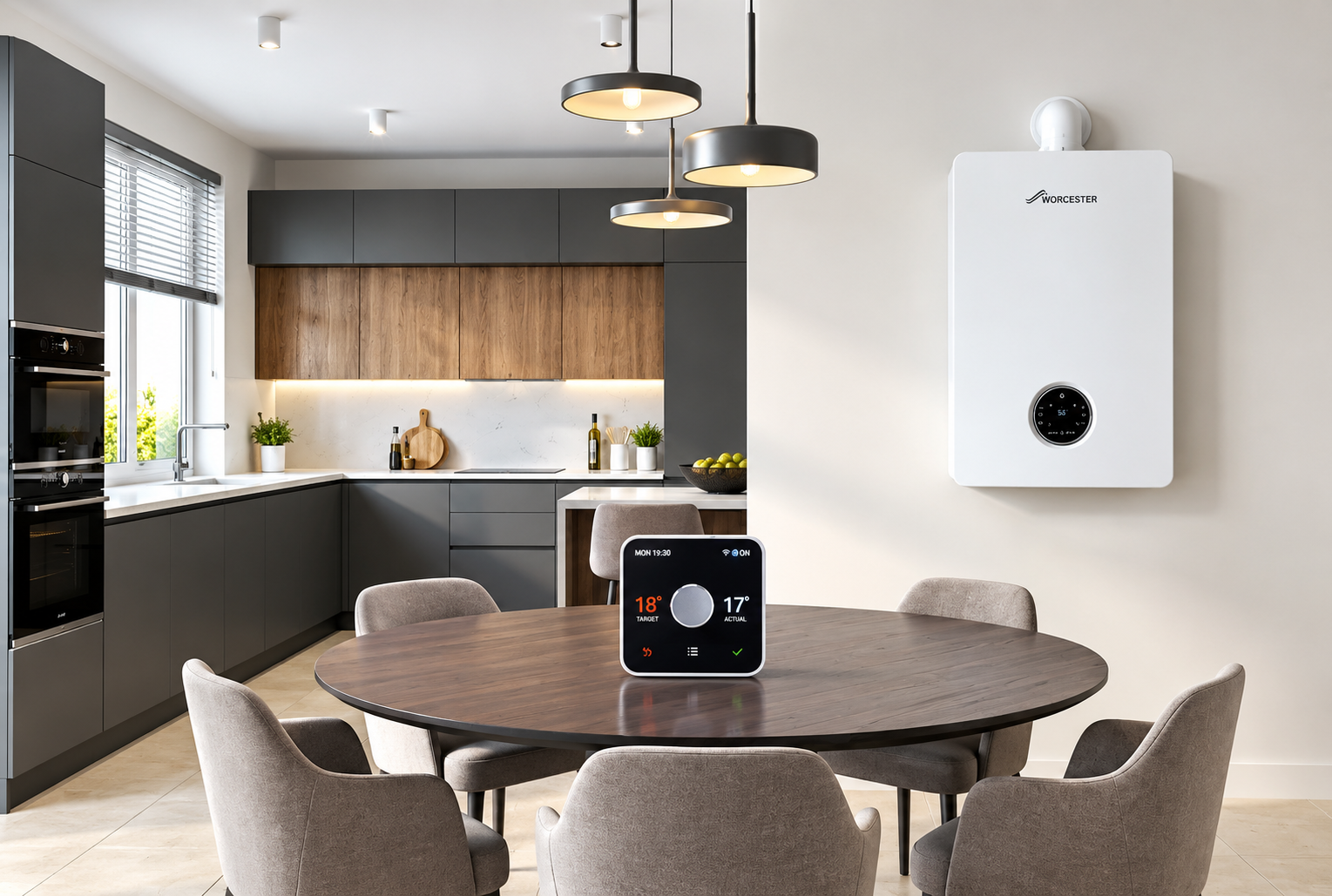
A new combi boiler can be a practical way to modernise an older heating system, particularly where an existing appliance is becoming unreliable or inefficient. However, planning the budget involves more than choosing a boiler from a manufacturer’s range.
The total cost depends on the boiler specification, the condition of the existing heating system and the work required to install the replacement correctly. Pipework, controls, flue arrangements, condensate drainage and the location of the appliance can all affect the final quotation.
For homeowners researching a new combi boiler southampton, understanding these variables makes it easier to plan the upgrade and compare installation quotes on a like-for-like basis.
If you are unsure whether a combi boiler is suitable for your home, Heatworks Heating & Cooling can assess your current system and explain the options available before you commit to an installation.
What determines the cost of a new combi boiler?
The overall cost is normally influenced by three broad areas: the boiler itself, the installation work and any additional changes required to the existing heating system.
A typical upgrade may involve:
- Selecting an appropriately sized combi boiler
- Removing the existing appliance
- Installing the new boiler
- Checking or modifying gas and heating pipework
- Connecting condensate drainage
- Installing or upgrading heating controls
- Checking the flue arrangement
- Preparing the heating system
- Commissioning and testing the replacement
The exact combination will depend on the property. A straightforward replacement may require relatively little alteration, while an older system or boiler relocation can introduce additional work.
Is the boiler specification a major part of the price?
Yes. The boiler itself can account for a substantial proportion of the overall project cost.
Combi boilers are available in different outputs and specifications. Choosing the right model is not simply about selecting the appliance with the highest output or the lowest purchase price.
The installer needs to consider the property’s heating requirements and hot water demand. Factors such as the size of the home, number of bathrooms, number of occupants and expected simultaneous hot water use can all be relevant.
For example, a household with one bathroom and moderate hot water demand may have different requirements from a larger property where several outlets could be used at the same time.
The aim should be to select a boiler that is appropriately matched to the property rather than paying extra for capacity that is unlikely to be needed.
What installation work is included in the cost?
Combi boiler installation southampton can range from a relatively straightforward replacement to a more involved heating upgrade.
When an existing combi boiler is replaced in the same suitable position, some of the existing infrastructure may be reusable. However, the installer still needs to check that the arrangement is appropriate for the new appliance.
Potential installation tasks include:
| Installation element | What may be involved |
|---|---|
| Old boiler removal | Disconnecting and safely removing the existing appliance |
| New boiler fitting | Positioning and securing the replacement appliance |
| Gas connection | Checking and adapting the gas supply where necessary |
| Heating pipework | Altering connections to suit the replacement |
| Condensate | Providing a suitable route for condensate drainage |
| Flue | Installing or adapting the flue arrangement |
| Controls | Connecting or upgrading heating controls |
| Commissioning | Testing and setting up the new appliance |
Not every installation requires changes to every item listed above. A site assessment helps establish what applies to a particular property.
Can the existing pipework affect the budget?
It can. Pipework is an important part of any boiler replacement because the new appliance needs suitable connections to the heating and gas systems.
An installer may find that the existing pipework can be retained with suitable connections. In other cases, modifications may be required because of the boiler’s position, pipe sizes, condition or the layout of the heating system.
This is particularly relevant when replacing an older installation. Previous alterations, ageing components or a different boiler configuration can mean that additional work is necessary.
Rather than assuming that all existing pipework can be reused, it is better to have it checked as part of the assessment.
Does changing the boiler position increase the cost?
Potentially. Keeping the replacement boiler in the same suitable position can reduce the amount of alteration required. Moving it elsewhere can involve additional work.
A new location may require changes to:
- Gas pipework
- Heating flow and return connections
- Condensate drainage
- Flue routing
- Electrical connections
- Heating controls
- Access and installation arrangements
There can still be good reasons for moving a boiler. A homeowner might want to free up a cupboard, improve access or change the layout of a utility area.
The important consideration is whether the benefits of relocation justify the additional installation requirements.
What other upgrades might be recommended?
A combi boiler replacement can highlight other parts of an older heating system that may benefit from attention.
Heating controls are one example. If the existing controls are outdated or unsuitable for the replacement boiler, an installer may recommend an upgrade.
System cleanliness can also matter. Sludge and debris within a heating system can affect circulation and performance. Depending on the condition of the system, cleaning or flushing may be recommended.
There may also be considerations around radiators, valves, pipework or other components. These should be assessed based on the condition and performance of the existing system rather than added automatically to every installation.
If your current heating system is several years old, speak to the Heatworks Heating & Cooling team about the complete upgrade rather than focusing solely on the boiler model. This can help identify any related work that should be considered in the budget.
How should you compare combi boiler installation quotations?
When comparing quotations, make sure you are comparing the same type of installation.
A quotation for a boiler alone is not directly comparable with a quotation covering the complete replacement and associated work.
Check whether each quote clearly identifies:
- The boiler make and exact model
- The recommended output
- Installation labour
- Removal of the existing appliance
- Controls
- Flue components
- Pipework alterations
- Condensate arrangements
- System cleaning or preparation
- Commissioning and warranties
It is also worth asking whether there are any exclusions.
For example, if a quotation assumes that the existing pipework is suitable but does not include alterations if required, ask how additional work would be priced.
Clear information at this stage can prevent unexpected costs later.
Could a cheaper combi boiler be the wrong choice?
The lowest appliance price does not necessarily mean the most suitable installation.
A boiler needs to match the property’s requirements and work appropriately with the heating system. Other factors, such as controls, warranty terms, installation quality and long-term suitability, also form part of the overall decision.
This does not mean that a higher-priced boiler is automatically better. Instead, the specification should be assessed against the actual needs of the property.
A professional installer can explain why a particular output and model have been proposed and whether alternatives are available.
What does a typical combi boiler replacement involve?
Consider a typical Southampton property with an older combi boiler installed in a kitchen cupboard. The homeowner has experienced increasingly unreliable heating and wants to replace the appliance without changing its position.
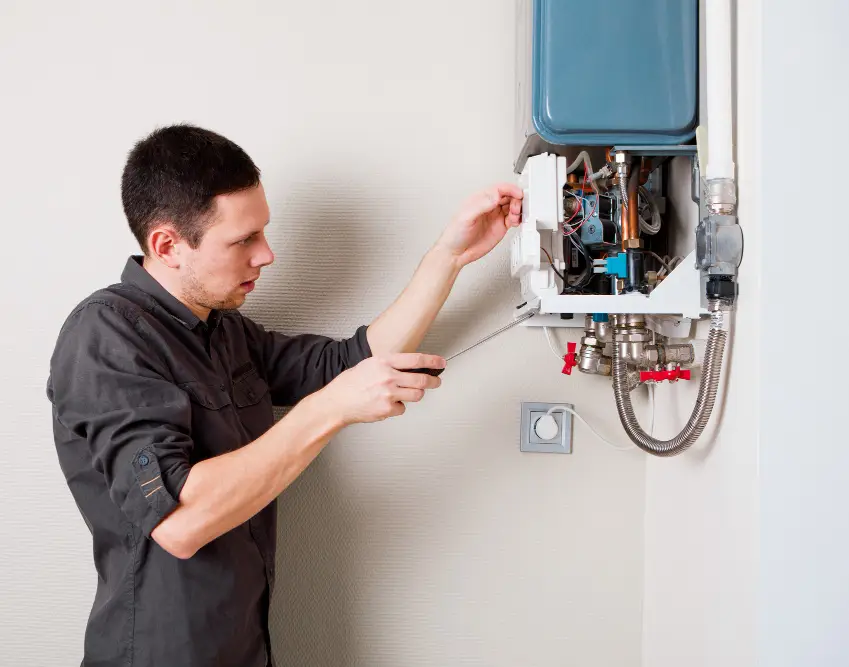
During an assessment, the installer checks the existing boiler, flue, pipework, condensate route and controls. The proposed replacement is suitable for the home’s heating and hot water requirements, and the existing position can be retained.
The work may therefore focus on removing the old appliance, fitting the replacement, making the required connections, checking the system, commissioning the boiler and ensuring the controls operate correctly.
A different property may require more extensive changes. This demonstrates why two apparently similar boiler replacements can have different final prices.
When is a combi boiler suitable for a home?
Combi boilers provide heating and hot water without requiring a separate hot water cylinder or cold water storage tank. This can make them useful where space is limited.
However, suitability depends on the property’s hot water demand and water supply.
Homes with high simultaneous hot water demand may require a different approach. For example, if several bathrooms are regularly used at the same time, an installer may need to consider whether a combi boiler can provide the required performance.
The existing system and household requirements should therefore be assessed before choosing the replacement.
How can you keep the upgrade budget under control?
Planning ahead can reduce the risk of unexpected costs.
Start by identifying what you actually need from the new heating system. Then have the existing installation assessed before choosing a boiler.
A useful checklist is:
- Confirm whether a combi boiler is suitable.
- Establish the required boiler output.
- Decide whether the existing location should be retained.
- Check the condition of the heating system.
- Review existing controls.
- Ask about pipework and flue requirements.
- Request a detailed written quotation.
- Clarify exclusions and potential additional costs.
- Compare quotations based on the complete scope of work.
This approach is more useful than setting a budget around the boiler appliance alone.
What should you ask an installer before proceeding?
A few straightforward questions can provide useful clarity.
Ask why the recommended boiler has been selected, whether the output has been calculated for the property and what installation work is included.
You can also ask whether the existing controls, pipework and flue can be retained, and whether system cleaning or other preparation is recommended.
If additional work is possible, find out how it would be discussed and priced before it is undertaken.
If you are considering a new combi boiler southampton, contact Heatworks Heating & Cooling for property-specific advice and a bespoke quotation. A clear assessment can help you understand both the appliance and the work required to install it.
Related articles
Let’s get started, Which fuel powers your boiler?
Mains Gas
LPG
At a glance
A new combi boiler can be a practical way to modernise an older heating system, particularly where an existing appliance is becoming unreliable or inefficient. However, planning the budget involves more than choosing a boiler from a manufacturer’s range.
The total cost depends on the boiler specification, the condition of the existing heating system and the work required to install the replacement correctly. Pipework, controls, flue arrangements, condensate drainage and the location of the appliance can all affect the final quotation.
For homeowners researching a new combi boiler southampton, understanding these variables makes it easier to plan the upgrade and compare installation quotes on a like-for-like basis.
If you are unsure whether a combi boiler is suitable for your home, Heatworks Heating & Cooling can assess your current system and explain the options available before you commit to an installation.
What determines the cost of a new combi boiler?
The overall cost is normally influenced by three broad areas: the boiler itself, the installation work and any additional changes required to the existing heating system.
A typical upgrade may involve:
- Selecting an appropriately sized combi boiler
- Removing the existing appliance
- Installing the new boiler
- Checking or modifying gas and heating pipework
- Connecting condensate drainage
- Installing or upgrading heating controls
- Checking the flue arrangement
- Preparing the heating system
- Commissioning and testing the replacement
The exact combination will depend on the property. A straightforward replacement may require relatively little alteration, while an older system or boiler relocation can introduce additional work.
Is the boiler specification a major part of the price?
Yes. The boiler itself can account for a substantial proportion of the overall project cost.
Combi boilers are available in different outputs and specifications. Choosing the right model is not simply about selecting the appliance with the highest output or the lowest purchase price.
The installer needs to consider the property’s heating requirements and hot water demand. Factors such as the size of the home, number of bathrooms, number of occupants and expected simultaneous hot water use can all be relevant.
For example, a household with one bathroom and moderate hot water demand may have different requirements from a larger property where several outlets could be used at the same time.
The aim should be to select a boiler that is appropriately matched to the property rather than paying extra for capacity that is unlikely to be needed.
What installation work is included in the cost?
Combi boiler installation southampton can range from a relatively straightforward replacement to a more involved heating upgrade.
When an existing combi boiler is replaced in the same suitable position, some of the existing infrastructure may be reusable. However, the installer still needs to check that the arrangement is appropriate for the new appliance.
Potential installation tasks include:
| Installation element | What may be involved |
|---|---|
| Old boiler removal | Disconnecting and safely removing the existing appliance |
| New boiler fitting | Positioning and securing the replacement appliance |
| Gas connection | Checking and adapting the gas supply where necessary |
| Heating pipework | Altering connections to suit the replacement |
| Condensate | Providing a suitable route for condensate drainage |
| Flue | Installing or adapting the flue arrangement |
| Controls | Connecting or upgrading heating controls |
| Commissioning | Testing and setting up the new appliance |
Not every installation requires changes to every item listed above. A site assessment helps establish what applies to a particular property.
Can the existing pipework affect the budget?
It can. Pipework is an important part of any boiler replacement because the new appliance needs suitable connections to the heating and gas systems.
An installer may find that the existing pipework can be retained with suitable connections. In other cases, modifications may be required because of the boiler’s position, pipe sizes, condition or the layout of the heating system.
This is particularly relevant when replacing an older installation. Previous alterations, ageing components or a different boiler configuration can mean that additional work is necessary.
Rather than assuming that all existing pipework can be reused, it is better to have it checked as part of the assessment.
Does changing the boiler position increase the cost?
Potentially. Keeping the replacement boiler in the same suitable position can reduce the amount of alteration required. Moving it elsewhere can involve additional work.
A new location may require changes to:
- Gas pipework
- Heating flow and return connections
- Condensate drainage
- Flue routing
- Electrical connections
- Heating controls
- Access and installation arrangements
There can still be good reasons for moving a boiler. A homeowner might want to free up a cupboard, improve access or change the layout of a utility area.
The important consideration is whether the benefits of relocation justify the additional installation requirements.
What other upgrades might be recommended?
A combi boiler replacement can highlight other parts of an older heating system that may benefit from attention.
Heating controls are one example. If the existing controls are outdated or unsuitable for the replacement boiler, an installer may recommend an upgrade.
System cleanliness can also matter. Sludge and debris within a heating system can affect circulation and performance. Depending on the condition of the system, cleaning or flushing may be recommended.
There may also be considerations around radiators, valves, pipework or other components. These should be assessed based on the condition and performance of the existing system rather than added automatically to every installation.
If your current heating system is several years old, speak to the Heatworks Heating & Cooling team about the complete upgrade rather than focusing solely on the boiler model. This can help identify any related work that should be considered in the budget.
How should you compare combi boiler installation quotations?
When comparing quotations, make sure you are comparing the same type of installation.
A quotation for a boiler alone is not directly comparable with a quotation covering the complete replacement and associated work.
Check whether each quote clearly identifies:
- The boiler make and exact model
- The recommended output
- Installation labour
- Removal of the existing appliance
- Controls
- Flue components
- Pipework alterations
- Condensate arrangements
- System cleaning or preparation
- Commissioning and warranties
It is also worth asking whether there are any exclusions.
For example, if a quotation assumes that the existing pipework is suitable but does not include alterations if required, ask how additional work would be priced.
Clear information at this stage can prevent unexpected costs later.
Could a cheaper combi boiler be the wrong choice?
The lowest appliance price does not necessarily mean the most suitable installation.
A boiler needs to match the property’s requirements and work appropriately with the heating system. Other factors, such as controls, warranty terms, installation quality and long-term suitability, also form part of the overall decision.
This does not mean that a higher-priced boiler is automatically better. Instead, the specification should be assessed against the actual needs of the property.
A professional installer can explain why a particular output and model have been proposed and whether alternatives are available.
What does a typical combi boiler replacement involve?
Consider a typical Southampton property with an older combi boiler installed in a kitchen cupboard. The homeowner has experienced increasingly unreliable heating and wants to replace the appliance without changing its position.
During an assessment, the installer checks the existing boiler, flue, pipework, condensate route and controls. The proposed replacement is suitable for the home’s heating and hot water requirements, and the existing position can be retained.
The work may therefore focus on removing the old appliance, fitting the replacement, making the required connections, checking the system, commissioning the boiler and ensuring the controls operate correctly.
A different property may require more extensive changes. This demonstrates why two apparently similar boiler replacements can have different final prices.
When is a combi boiler suitable for a home?
Combi boilers provide heating and hot water without requiring a separate hot water cylinder or cold water storage tank. This can make them useful where space is limited.
However, suitability depends on the property’s hot water demand and water supply.
Homes with high simultaneous hot water demand may require a different approach. For example, if several bathrooms are regularly used at the same time, an installer may need to consider whether a combi boiler can provide the required performance.
The existing system and household requirements should therefore be assessed before choosing the replacement.
How can you keep the upgrade budget under control?
Planning ahead can reduce the risk of unexpected costs.
Start by identifying what you actually need from the new heating system. Then have the existing installation assessed before choosing a boiler.
A useful checklist is:
- Confirm whether a combi boiler is suitable.
- Establish the required boiler output.
- Decide whether the existing location should be retained.
- Check the condition of the heating system.
- Review existing controls.
- Ask about pipework and flue requirements.
- Request a detailed written quotation.
- Clarify exclusions and potential additional costs.
- Compare quotations based on the complete scope of work.
This approach is more useful than setting a budget around the boiler appliance alone.
What should you ask an installer before proceeding?
A few straightforward questions can provide useful clarity.
Ask why the recommended boiler has been selected, whether the output has been calculated for the property and what installation work is included.
You can also ask whether the existing controls, pipework and flue can be retained, and whether system cleaning or other preparation is recommended.
If additional work is possible, find out how it would be discussed and priced before it is undertaken.
If you are considering a new combi boiler southampton, contact Heatworks Heating & Cooling for property-specific advice and a bespoke quotation. A clear assessment can help you understand both the appliance and the work required to install it.