
Boiler Repair or Replacement? How Southampton Homeowners Can Compare the Costs
Should you repair or replace your boiler? Compare repair costs, replacement factors and long-term considerations for Southampton homes.

Why you can trust our content
We understand that the boiler industry can be confusing, with plenty of outdated or misleading information. That’s why we rely only on trusted, proven sources to guide our advice and installations:



At a glance
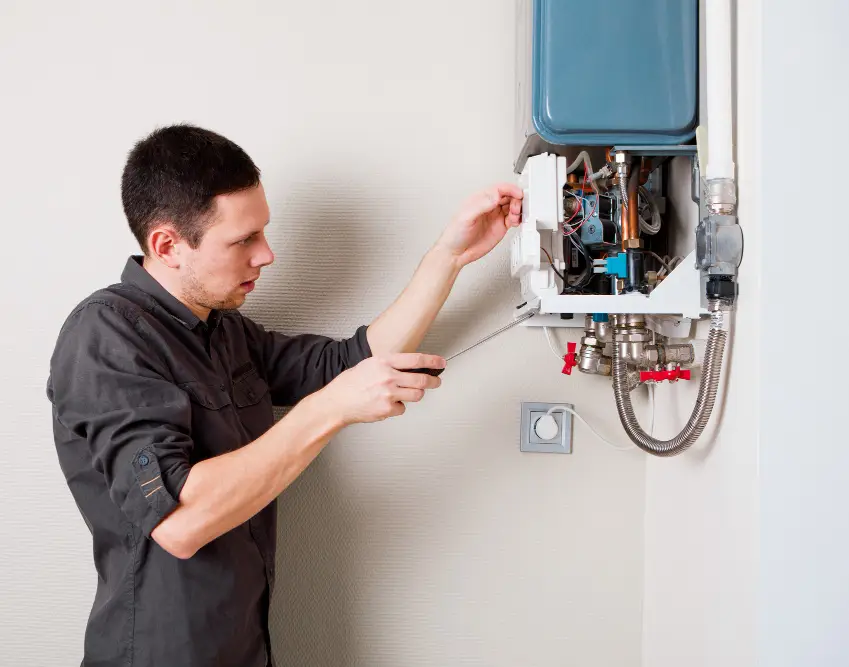
When a boiler starts making unusual noises, losing pressure or struggling to heat the home, the first question is often whether to repair it or replace it. The answer is not always obvious.
A relatively minor fault may be worth repairing, while an older appliance with repeated problems can require a different approach. Looking only at the immediate price of a repair does not always provide the full picture. The age and condition of the boiler, availability of parts, previous repairs and expected future reliability can all matter.
For homeowners arranging boiler repair southampton, understanding these factors can help make the decision more methodically rather than reacting to the first fault that appears.
If your boiler is showing signs of trouble, Heatworks Heating & Cooling can assess the problem and explain the available options before you decide whether repair or replacement is appropriate.
How do you decide between repairing and replacing a boiler?
The simplest way to approach the decision is to consider both the immediate fault and the wider condition of the appliance.
A repair may make sense when:
- The boiler is relatively modern
- The fault is isolated
- Replacement parts are available
- The appliance has otherwise been reliable
- The repair is proportionate to the condition of the boiler
Replacement may deserve consideration when:
- The boiler is significantly older
- Faults are becoming frequent
- Several components have failed
- Suitable replacement parts are difficult to source
- The system is no longer meeting household requirements
- A major repair would represent a substantial proportion of replacement costs
There is no single age at which every boiler should be replaced. The condition of the individual appliance and the nature of the fault need to be considered.
What does a boiler repair actually involve?
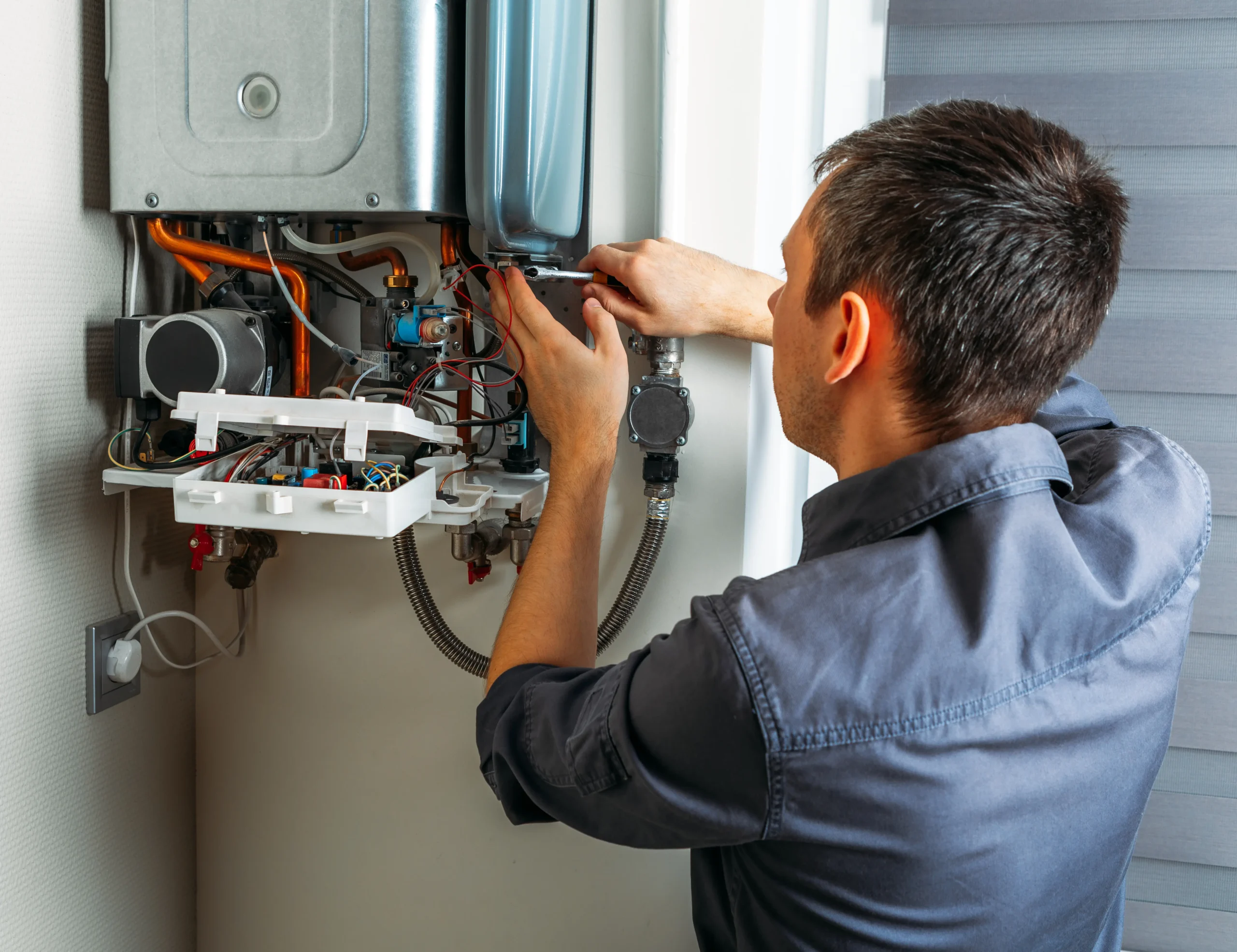
A professional boiler repair starts with identifying the cause of the problem rather than simply replacing the most obvious component.
Depending on the fault, an engineer may investigate issues involving:
- Pressure
- Ignition
- Heating controls
- Pumps
- Sensors
- Valves
- Electrical components
- Circulation
- Water leaks
- Error codes
Some problems are relatively straightforward to diagnose and resolve. Others can require more detailed investigation.
The cost of the repair therefore depends heavily on the fault, the parts required and the amount of labour involved.
Which costs should you compare?
Comparing a repair price directly with the purchase price of a new boiler can be misleading.
A more useful comparison considers the likely total cost of each option.
| Factor | Repair | Replacement |
|---|---|---|
| Immediate cost | Usually focused on diagnosis, parts and labour | Includes boiler and installation |
| Appliance age | Existing boiler remains in service | New appliance installed |
| Future repairs | May still be required | Potentially reduced initially |
| Installation work | Usually limited to the faulty component | Full replacement work required |
| Controls | Existing controls may remain | May be reviewed or upgraded |
| Warranty | Depends on repair and existing cover | New boiler warranty may apply |
| System suitability | Existing configuration retained | Opportunity to reassess system |
This does not mean replacement is automatically preferable when repair costs rise. It means the decision should consider the wider circumstances rather than one invoice.
Does the age of a boiler matter?
Age can be relevant because an older appliance may have experienced more wear and may be more likely to require further attention.
However, age alone does not determine whether a repair is worthwhile. An older boiler that has been reliable and needs a relatively minor repair may continue to provide useful service.
Conversely, a newer boiler with a significant fault may require careful assessment before deciding what to do.
The key question is not simply "How old is the boiler?" but "What is the condition of the boiler, what has failed and what is likely to be involved in keeping it running?"
Could repeated repairs make replacement more sensible?
Repeated faults can change the financial calculation.
If a boiler has required several repairs over a relatively short period, another repair may solve the immediate issue without addressing the likelihood of further failures.
Homeowners can keep a simple record of:
- The date of each repair
- The fault diagnosed
- The parts replaced
- The cost
- Any recurring symptoms
This information can help reveal whether the latest problem is isolated or part of a wider pattern.
If you have already paid for several repairs, contact Heatworks Heating & Cooling for an assessment of the current boiler and heating system. Understanding the condition of the appliance can make the next decision clearer.
When can repairing a boiler be the practical option?
Repair can be a sensible route when the appliance is otherwise in good condition and the fault is relatively contained.
For example, a boiler that has operated reliably for several years but develops a single replaceable component fault may not need complete replacement.
The same can apply where the boiler meets the household’s heating and hot water requirements and there are no obvious signs of wider deterioration.
A professional diagnosis is important because the apparent symptom does not always reveal the underlying problem.
A boiler losing pressure, for instance, could have several possible causes. Simply topping up the pressure without identifying why it is falling may not resolve the underlying issue.
When should you start considering replacement?
Replacement becomes more relevant when the appliance has become increasingly unreliable or the required repair is substantial.
Circumstances worth discussing with an installer include:
- Frequent breakdowns
- Multiple recent component failures
- Significant corrosion
- Persistent performance problems
- Difficulty obtaining suitable parts
- A major repair on an older appliance
- A boiler that no longer meets household demand
A replacement also gives homeowners an opportunity to reconsider the type, output and controls of the heating system.
What should you ask before agreeing to a repair?
Before authorising work, make sure you understand what has actually failed and what the proposed repair involves.
Useful questions include:
- What is causing the fault?
- Which component needs attention?
- Is the part available?
- Is the repair expected to resolve the current problem?
- Are there other known issues with the appliance?
- How old is the boiler?
- Could further repairs reasonably be expected?
- What is included in the quoted price?
The aim is not to predict the future with certainty. It is to make the decision using the information available at the time.
Is a repair cheaper than replacing a boiler?
In terms of immediate expenditure, a straightforward repair will often cost less than purchasing and installing a completely new boiler. However, this does not automatically make repair the lower-cost option over a longer period.
For example, a small repair may restore an older boiler to operation, but further faults could occur later. Conversely, a more expensive repair on an otherwise reliable appliance may provide years of continued service.
The comparison should therefore include the boiler’s condition, recent repair history and likely future requirements.
This is particularly important when looking at boiler repair southampton options after repeated breakdowns.
What about the cost of a new boiler installation?
A replacement involves more upfront work than a repair because the old appliance must be removed and the new system installed and commissioned.
The total cost can include:
- New boiler
- Installation labour
- Boiler removal
- Flue components
- Controls
- Pipework alterations
- Condensate arrangements
- System preparation
- Commissioning
The installation may also provide an opportunity to improve the heating system’s controls or address other issues that have developed over time.
Could a repair delay a necessary replacement?
It can, particularly if a repair only addresses a symptom while the wider appliance is deteriorating.
That does not mean every repair is simply delaying the inevitable. Many boilers can be successfully repaired and continue working for years.
The important distinction is between a repair that restores a healthy appliance and repeated repairs being used to keep an increasingly unreliable system running.
A professional assessment can help identify which situation you are dealing with.
A typical Southampton boiler decision
Imagine a homeowner with an older gas boiler that has recently stopped providing reliable heating. The boiler has previously required two repairs, and the latest fault involves a component that needs replacing.
The homeowner could pay for the immediate repair, but the recent history raises questions about the condition of the wider appliance. An installer assesses the boiler, explains the fault and discusses the likely implications of repairing versus replacing it.
There is no need to make the decision based solely on the latest invoice. The homeowner can consider the boiler’s age, repair history, current requirements and the cost of a complete replacement before deciding how to proceed.
How can you make the decision without focusing only on price?
Cost matters, but it should sit alongside reliability, suitability and the condition of the existing appliance.
A useful process is:
- Diagnose the current fault.
- Establish the likely repair cost.
- Consider the boiler’s age and condition.
- Review recent repair history.
- Check whether suitable parts are available.
- Consider whether the boiler still meets household demand.
- Obtain a replacement quotation if appropriate.
- Compare the two options using the complete picture.
This gives you a more balanced basis for deciding what happens next.
If you are weighing up repair against replacement, speak to Heatworks Heating & Cooling for tailored advice. Our team can assess the heating system and explain the practical options available for your home.
Related articles
Let’s get started, Which fuel powers your boiler?
Mains Gas
LPG
At a glance
When a boiler starts making unusual noises, losing pressure or struggling to heat the home, the first question is often whether to repair it or replace it. The answer is not always obvious.
A relatively minor fault may be worth repairing, while an older appliance with repeated problems can require a different approach. Looking only at the immediate price of a repair does not always provide the full picture. The age and condition of the boiler, availability of parts, previous repairs and expected future reliability can all matter.
For homeowners arranging boiler repair southampton, understanding these factors can help make the decision more methodically rather than reacting to the first fault that appears.
If your boiler is showing signs of trouble, Heatworks Heating & Cooling can assess the problem and explain the available options before you decide whether repair or replacement is appropriate.
How do you decide between repairing and replacing a boiler?
The simplest way to approach the decision is to consider both the immediate fault and the wider condition of the appliance.
A repair may make sense when:
- The boiler is relatively modern
- The fault is isolated
- Replacement parts are available
- The appliance has otherwise been reliable
- The repair is proportionate to the condition of the boiler
Replacement may deserve consideration when:
- The boiler is significantly older
- Faults are becoming frequent
- Several components have failed
- Suitable replacement parts are difficult to source
- The system is no longer meeting household requirements
- A major repair would represent a substantial proportion of replacement costs
There is no single age at which every boiler should be replaced. The condition of the individual appliance and the nature of the fault need to be considered.
What does a boiler repair actually involve?
A professional boiler repair starts with identifying the cause of the problem rather than simply replacing the most obvious component.
Depending on the fault, an engineer may investigate issues involving:
- Pressure
- Ignition
- Heating controls
- Pumps
- Sensors
- Valves
- Electrical components
- Circulation
- Water leaks
- Error codes
Some problems are relatively straightforward to diagnose and resolve. Others can require more detailed investigation.
The cost of the repair therefore depends heavily on the fault, the parts required and the amount of labour involved.
Which costs should you compare?
Comparing a repair price directly with the purchase price of a new boiler can be misleading.
A more useful comparison considers the likely total cost of each option.
| Factor | Repair | Replacement |
|---|---|---|
| Immediate cost | Usually focused on diagnosis, parts and labour | Includes boiler and installation |
| Appliance age | Existing boiler remains in service | New appliance installed |
| Future repairs | May still be required | Potentially reduced initially |
| Installation work | Usually limited to the faulty component | Full replacement work required |
| Controls | Existing controls may remain | May be reviewed or upgraded |
| Warranty | Depends on repair and existing cover | New boiler warranty may apply |
| System suitability | Existing configuration retained | Opportunity to reassess system |
This does not mean replacement is automatically preferable when repair costs rise. It means the decision should consider the wider circumstances rather than one invoice.
Does the age of a boiler matter?
Age can be relevant because an older appliance may have experienced more wear and may be more likely to require further attention.
However, age alone does not determine whether a repair is worthwhile. An older boiler that has been reliable and needs a relatively minor repair may continue to provide useful service.
Conversely, a newer boiler with a significant fault may require careful assessment before deciding what to do.
The key question is not simply "How old is the boiler?" but "What is the condition of the boiler, what has failed and what is likely to be involved in keeping it running?"
Could repeated repairs make replacement more sensible?
Repeated faults can change the financial calculation.
If a boiler has required several repairs over a relatively short period, another repair may solve the immediate issue without addressing the likelihood of further failures.
Homeowners can keep a simple record of:
- The date of each repair
- The fault diagnosed
- The parts replaced
- The cost
- Any recurring symptoms
This information can help reveal whether the latest problem is isolated or part of a wider pattern.
If you have already paid for several repairs, contact Heatworks Heating & Cooling for an assessment of the current boiler and heating system. Understanding the condition of the appliance can make the next decision clearer.
When can repairing a boiler be the practical option?
Repair can be a sensible route when the appliance is otherwise in good condition and the fault is relatively contained.
For example, a boiler that has operated reliably for several years but develops a single replaceable component fault may not need complete replacement.
The same can apply where the boiler meets the household’s heating and hot water requirements and there are no obvious signs of wider deterioration.
A professional diagnosis is important because the apparent symptom does not always reveal the underlying problem.
A boiler losing pressure, for instance, could have several possible causes. Simply topping up the pressure without identifying why it is falling may not resolve the underlying issue.
When should you start considering replacement?
Replacement becomes more relevant when the appliance has become increasingly unreliable or the required repair is substantial.
Circumstances worth discussing with an installer include:
- Frequent breakdowns
- Multiple recent component failures
- Significant corrosion
- Persistent performance problems
- Difficulty obtaining suitable parts
- A major repair on an older appliance
- A boiler that no longer meets household demand
A replacement also gives homeowners an opportunity to reconsider the type, output and controls of the heating system.
What should you ask before agreeing to a repair?
Before authorising work, make sure you understand what has actually failed and what the proposed repair involves.
Useful questions include:
- What is causing the fault?
- Which component needs attention?
- Is the part available?
- Is the repair expected to resolve the current problem?
- Are there other known issues with the appliance?
- How old is the boiler?
- Could further repairs reasonably be expected?
- What is included in the quoted price?
The aim is not to predict the future with certainty. It is to make the decision using the information available at the time.
Is a repair cheaper than replacing a boiler?
In terms of immediate expenditure, a straightforward repair will often cost less than purchasing and installing a completely new boiler. However, this does not automatically make repair the lower-cost option over a longer period.
For example, a small repair may restore an older boiler to operation, but further faults could occur later. Conversely, a more expensive repair on an otherwise reliable appliance may provide years of continued service.
The comparison should therefore include the boiler’s condition, recent repair history and likely future requirements.
This is particularly important when looking at boiler repair southampton options after repeated breakdowns.
What about the cost of a new boiler installation?
A replacement involves more upfront work than a repair because the old appliance must be removed and the new system installed and commissioned.
The total cost can include:
- New boiler
- Installation labour
- Boiler removal
- Flue components
- Controls
- Pipework alterations
- Condensate arrangements
- System preparation
- Commissioning
The installation may also provide an opportunity to improve the heating system’s controls or address other issues that have developed over time.
Could a repair delay a necessary replacement?
It can, particularly if a repair only addresses a symptom while the wider appliance is deteriorating.
That does not mean every repair is simply delaying the inevitable. Many boilers can be successfully repaired and continue working for years.
The important distinction is between a repair that restores a healthy appliance and repeated repairs being used to keep an increasingly unreliable system running.
A professional assessment can help identify which situation you are dealing with.
A typical Southampton boiler decision
Imagine a homeowner with an older gas boiler that has recently stopped providing reliable heating. The boiler has previously required two repairs, and the latest fault involves a component that needs replacing.
The homeowner could pay for the immediate repair, but the recent history raises questions about the condition of the wider appliance. An installer assesses the boiler, explains the fault and discusses the likely implications of repairing versus replacing it.
There is no need to make the decision based solely on the latest invoice. The homeowner can consider the boiler’s age, repair history, current requirements and the cost of a complete replacement before deciding how to proceed.
How can you make the decision without focusing only on price?
Cost matters, but it should sit alongside reliability, suitability and the condition of the existing appliance.
A useful process is:
- Diagnose the current fault.
- Establish the likely repair cost.
- Consider the boiler’s age and condition.
- Review recent repair history.
- Check whether suitable parts are available.
- Consider whether the boiler still meets household demand.
- Obtain a replacement quotation if appropriate.
- Compare the two options using the complete picture.
This gives you a more balanced basis for deciding what happens next.
If you are weighing up repair against replacement, speak to Heatworks Heating & Cooling for tailored advice. Our team can assess the heating system and explain the practical options available for your home.