
Boiler Installation Southampton: What Happens From the First Survey to Switch-On?
Replacing a boiler involves more than simply removing the old appliance and fitting a new one. From the initial home survey and boiler selection to installation, testing and commissioning, understanding each stage can help you prepare for the work and compare quotes with confidence. If you’re planning a boiler installation in Southampton, this guide explains what to expect before, during and after installation.

Why you can trust our content
We understand that the boiler industry can be confusing, with plenty of outdated or misleading information. That’s why we rely only on trusted, proven sources to guide our advice and installations:



At a glance
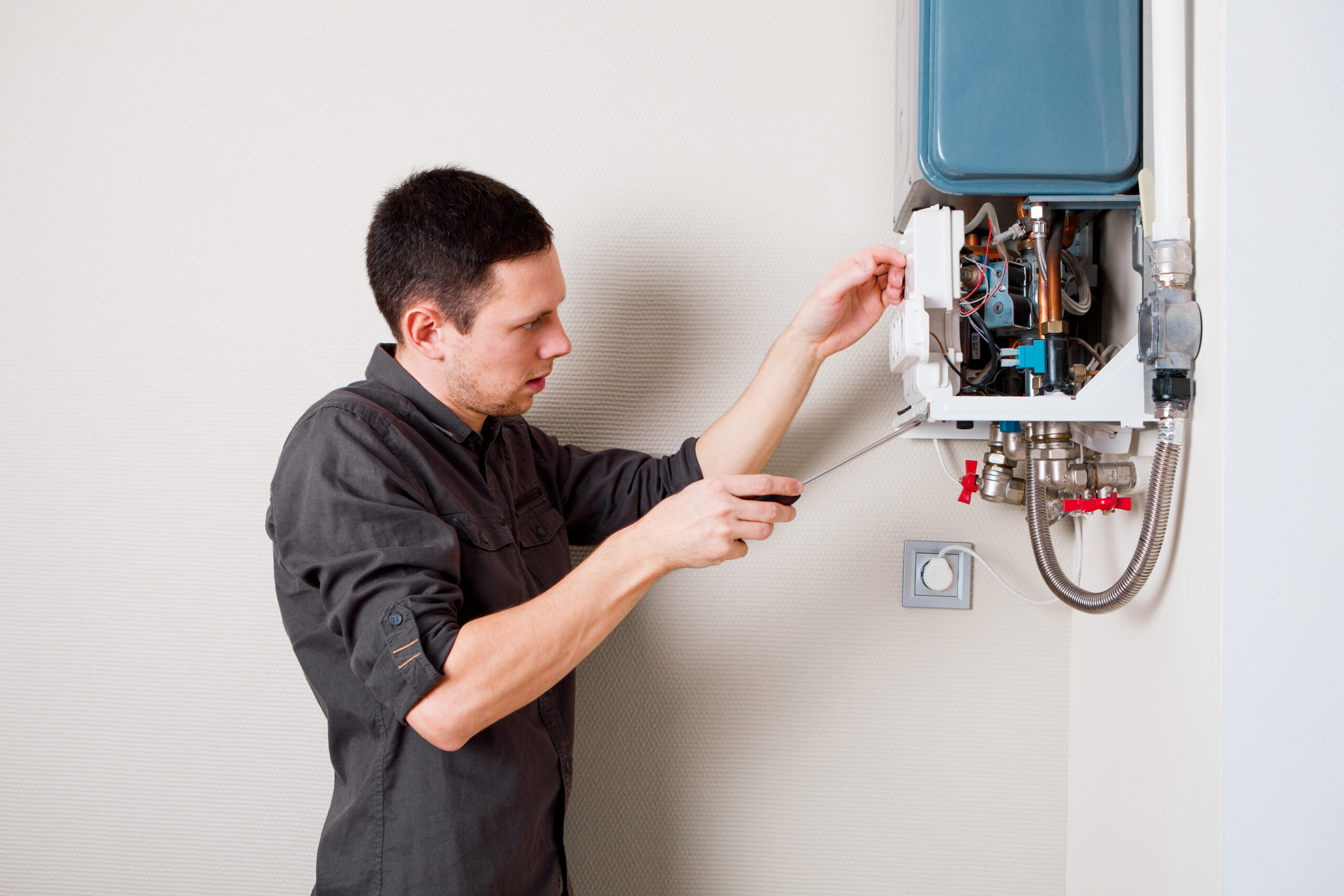
Replacing a boiler can feel like a major job, especially if you have never been through the process before. In reality, a well-planned installation should follow a clear sequence, beginning with a survey of your existing heating system and ending with testing, commissioning and a proper handover.
If you are arranging a boiler installation in Southampton, understanding those stages helps you ask better questions, compare quotes fairly and prepare your home before the engineer arrives. The exact work will depend on your property, current system and chosen boiler, but the overall process should be transparent from the start.
What happens before any work begins?
The first stage is not removing the old boiler. It is understanding what your home actually needs.
An installer will normally ask about your current heating system, the problems you are experiencing and whether you want to keep the same boiler type or consider another setup. They may also ask about hot water use, the number of bathrooms and any planned home improvements.
A site survey then allows the installer to check whether the proposed system is suitable rather than relying on assumptions. A boiler fitter in Southampton should use this information to shape the specification and explain any work that may affect the final quote.
How does the first home survey work?
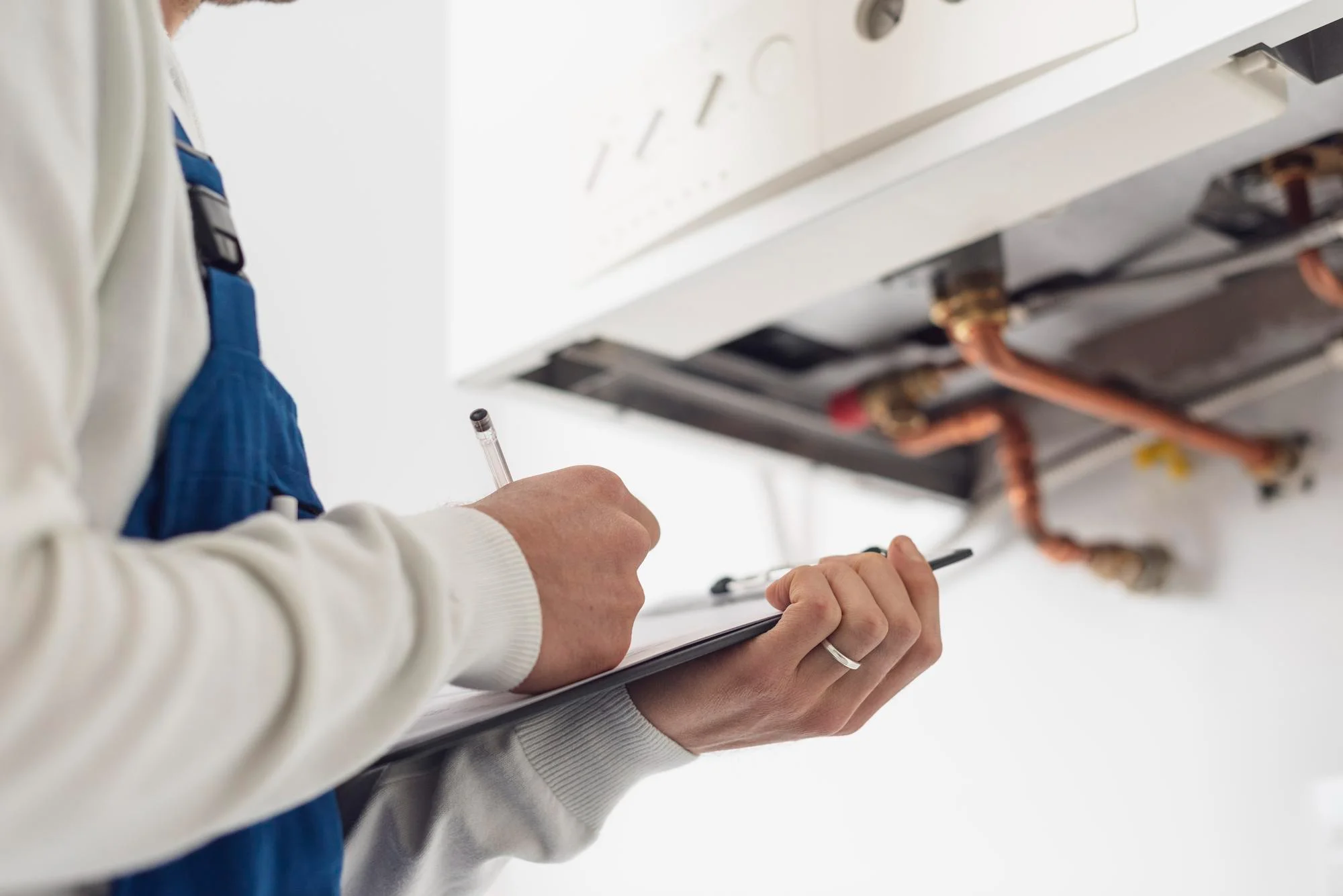
A useful survey looks beyond the boiler itself. The installer needs to understand how the heating system operates as a whole and whether the new appliance can be fitted safely and effectively.
Typical checks can include:
| Survey stage | What is being checked | Why it matters |
| Existing system | Boiler type, pipework and controls | Helps identify what can stay and what may need changing |
| Property demand | Heating and hot water requirements | Supports correct boiler selection and sizing |
| Installation route | Flue, condensate and access | Helps avoid practical surprises once work starts |
| System condition | Radiators, circulation and visible pipework | Highlights issues worth addressing before commissioning |
A good survey should also give you the chance to ask what is included, what could change the scope and how long the work is likely to take.
If you would like tailored advice before committing to a new boiler, contact the Heatworks UK team to arrange a survey and discuss the options for your home.
Choosing the right boiler and planning the job
Once the survey is complete, the installer can recommend a suitable boiler and set out the work required. That recommendation should consider the property rather than simply replacing the existing unit with the nearest equivalent.
For some homes, a straightforward like-for-like replacement may make sense. Others may benefit from changes to controls, pipework or boiler position. A system conversion can involve more work, so it should be clearly explained before the installation date.
Your written quote should make the agreed scope easy to understand. Look for details covering the boiler, controls, labour, removal of the old appliance, any system treatment, expected alterations and the commissioning process.
What happens on installation day?
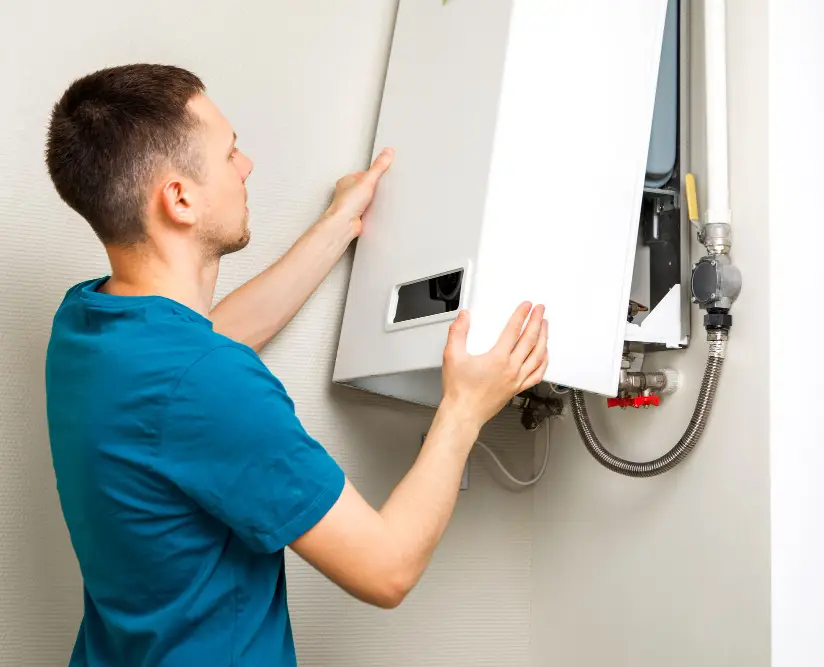
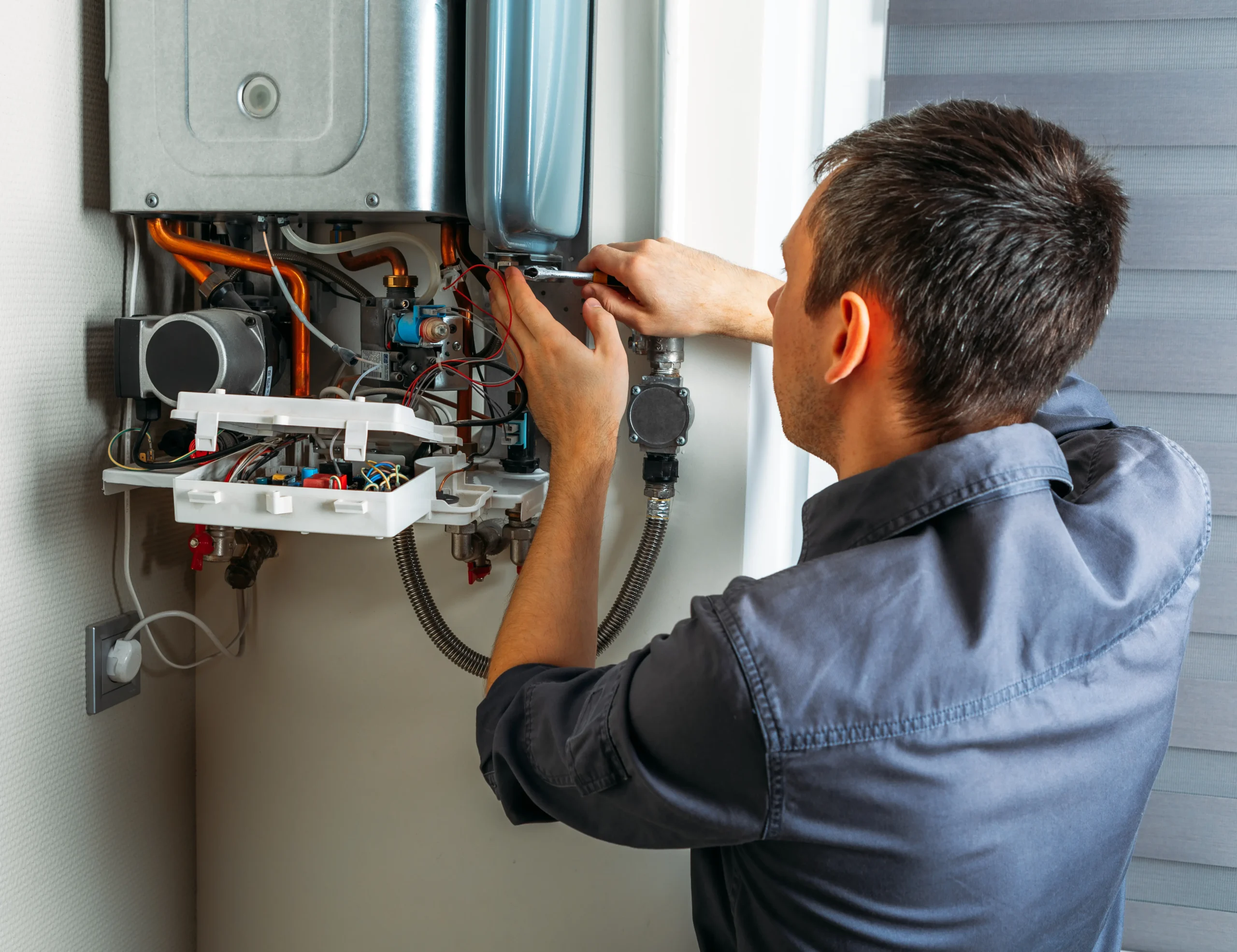
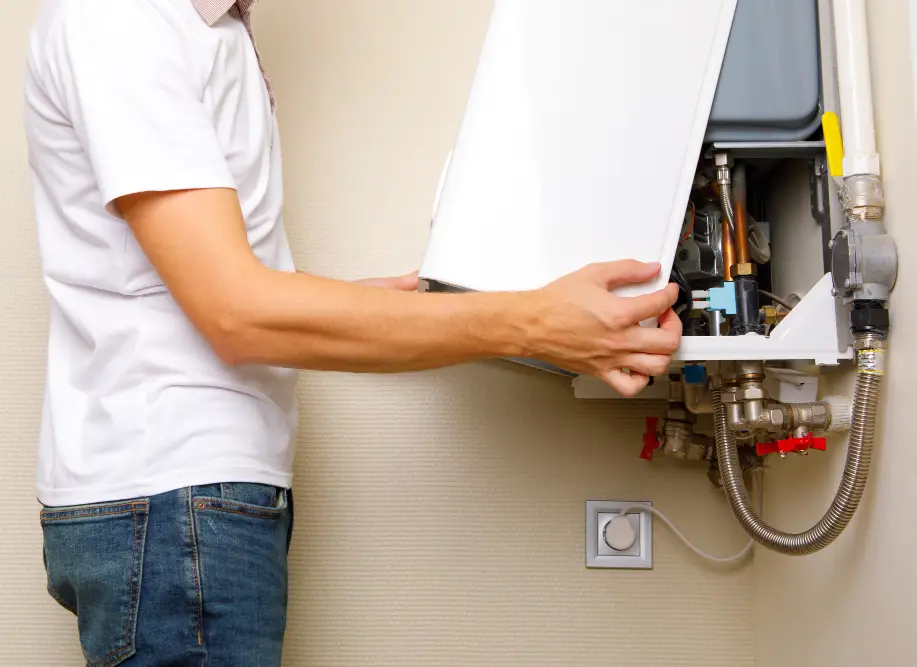
The engineer should begin by protecting the work area and confirming the agreed plan with you. The heating system is then isolated and, where necessary, drained so the existing appliance can be removed safely.
The next steps depend on the installation, but the work may include:
If gas work is involved, it must be carried out by an appropriately Gas Safe registered engineer. The installer should also follow the boiler manufacturer’s instructions and relevant installation requirements.
Let’s get started, Which fuel powers your boiler?
Mains Gas
LPG
It just takes 60 Sec
And then you can book a free consultation
If you are unsure whether your planned replacement is a simple swap or a more involved system change, speak to Heatworks UK before installation day so the scope can be explained clearly.
How is the new boiler tested before switch-on?
A professional boiler installation in Southampton is not complete simply because the appliance turns on. Commissioning is the stage where the engineer checks that the boiler and heating system are operating as intended.
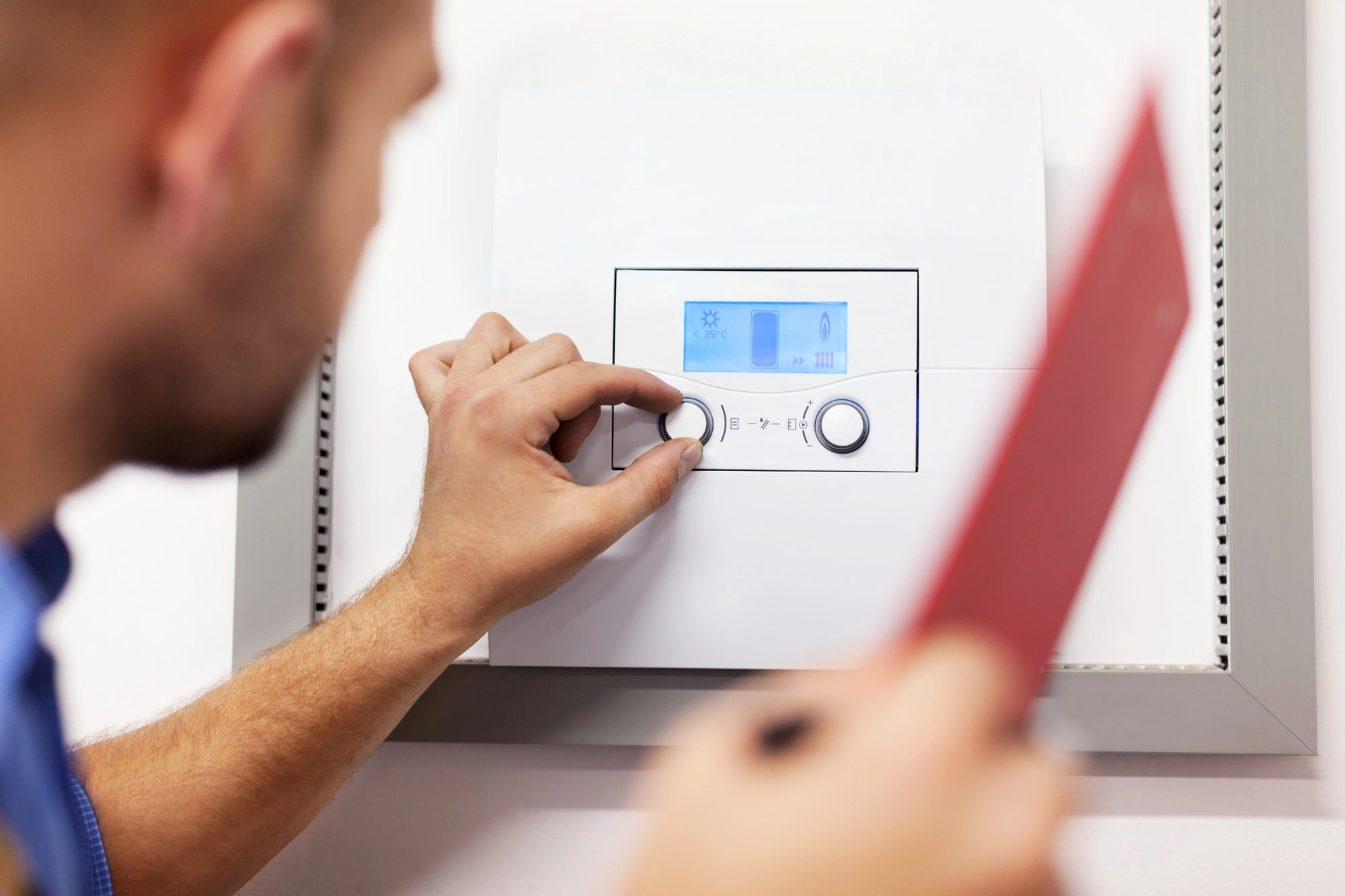
Depending on the appliance and system, checks can include looking for leaks, confirming operating pressures, testing heating and hot water, checking controls, reviewing the flue and combustion performance, and making sure the condensate arrangement is working correctly.
The engineer should then take you through the controls and explain the basics of operating the boiler. You should know how to adjust the heating, what normal system pressure looks like for your setup and what to do if you notice a warning or fault.
How long does a boiler installation usually take?
There is no single timescale that fits every property. Many straightforward replacements can be completed within a day, while conversions, boiler relocations or wider pipework changes may take longer.
The main factors are usually:
The survey should give you a realistic expectation before work begins. If the job is likely to extend beyond one day, ask when heating and hot water will be unavailable so you can plan around it.
What should you do before the installer arrives?
A small amount of preparation can make the day easier. Clear the area around the boiler, remove fragile items from the work route and make sure the engineer can reach any areas identified during the survey.
It is also worth confirming parking arrangements, access times and whether someone needs to remain at the property. If radiators or controls need attention, additional rooms may need to be accessible.
A boiler fitter in Southampton should tell you in advance about any preparation specific to your job, particularly if cupboards, loft areas or external walls need to be reached.
What happens after switch-on?
The handover should leave you confident using the new system. The installer should explain the main controls, provide relevant paperwork and tell you about any warranty registration or servicing requirements that apply to the boiler.
This is also the right time to ask questions. For example, check how to change the temperature, how to identify an unexpected pressure change and who to contact if something does not seem right after the installation.
A well-managed replacement should finish with a tidy work area, a tested system and a homeowner who understands the basics of operating it.
Related articles
Let’s get started, Which fuel powers your boiler?
Mains Gas
LPG
At a glance
Replacing a boiler can feel like a major job, especially if you have never been through the process before. In reality, a well-planned installation should follow a clear sequence, beginning with a survey of your existing heating system and ending with testing, commissioning and a proper handover.
If you are arranging a boiler installation in Southampton, understanding those stages helps you ask better questions, compare quotes fairly and prepare your home before the engineer arrives. The exact work will depend on your property, current system and chosen boiler, but the overall process should be transparent from the start.
What happens before any work begins?
The first stage is not removing the old boiler. It is understanding what your home actually needs.
An installer will normally ask about your current heating system, the problems you are experiencing and whether you want to keep the same boiler type or consider another setup. They may also ask about hot water use, the number of bathrooms and any planned home improvements.
A site survey then allows the installer to check whether the proposed system is suitable rather than relying on assumptions. A boiler fitter in Southampton should use this information to shape the specification and explain any work that may affect the final quote.
How does the first home survey work?
A useful survey looks beyond the boiler itself. The installer needs to understand how the heating system operates as a whole and whether the new appliance can be fitted safely and effectively.
Typical checks can include:
| Survey stage | What is being checked | Why it matters |
| Existing system | Boiler type, pipework and controls | Helps identify what can stay and what may need changing |
| Property demand | Heating and hot water requirements | Supports correct boiler selection and sizing |
| Installation route | Flue, condensate and access | Helps avoid practical surprises once work starts |
| System condition | Radiators, circulation and visible pipework | Highlights issues worth addressing before commissioning |
A good survey should also give you the chance to ask what is included, what could change the scope and how long the work is likely to take.
If you would like tailored advice before committing to a new boiler, contact the Heatworks UK team to arrange a survey and discuss the options for your home.
Choosing the right boiler and planning the job
Once the survey is complete, the installer can recommend a suitable boiler and set out the work required. That recommendation should consider the property rather than simply replacing the existing unit with the nearest equivalent.
For some homes, a straightforward like-for-like replacement may make sense. Others may benefit from changes to controls, pipework or boiler position. A system conversion can involve more work, so it should be clearly explained before the installation date.
Your written quote should make the agreed scope easy to understand. Look for details covering the boiler, controls, labour, removal of the old appliance, any system treatment, expected alterations and the commissioning process.
What happens on installation day?
The engineer should begin by protecting the work area and confirming the agreed plan with you. The heating system is then isolated and, where necessary, drained so the existing appliance can be removed safely.
The next steps depend on the installation, but the work may include:
If gas work is involved, it must be carried out by an appropriately Gas Safe registered engineer. The installer should also follow the boiler manufacturer’s instructions and relevant installation requirements.
Let’s get started, Which fuel powers your boiler?
Mains Gas
LPG
It just takes 60 Sec
And then you can book a free consultation
If you are unsure whether your planned replacement is a simple swap or a more involved system change, speak to Heatworks UK before installation day so the scope can be explained clearly.
How is the new boiler tested before switch-on?
A professional boiler installation in Southampton is not complete simply because the appliance turns on. Commissioning is the stage where the engineer checks that the boiler and heating system are operating as intended.
Depending on the appliance and system, checks can include looking for leaks, confirming operating pressures, testing heating and hot water, checking controls, reviewing the flue and combustion performance, and making sure the condensate arrangement is working correctly.
The engineer should then take you through the controls and explain the basics of operating the boiler. You should know how to adjust the heating, what normal system pressure looks like for your setup and what to do if you notice a warning or fault.
How long does a boiler installation usually take?
There is no single timescale that fits every property. Many straightforward replacements can be completed within a day, while conversions, boiler relocations or wider pipework changes may take longer.
The main factors are usually:
The survey should give you a realistic expectation before work begins. If the job is likely to extend beyond one day, ask when heating and hot water will be unavailable so you can plan around it.
What should you do before the installer arrives?
A small amount of preparation can make the day easier. Clear the area around the boiler, remove fragile items from the work route and make sure the engineer can reach any areas identified during the survey.
It is also worth confirming parking arrangements, access times and whether someone needs to remain at the property. If radiators or controls need attention, additional rooms may need to be accessible.
A boiler fitter in Southampton should tell you in advance about any preparation specific to your job, particularly if cupboards, loft areas or external walls need to be reached.
What happens after switch-on?
The handover should leave you confident using the new system. The installer should explain the main controls, provide relevant paperwork and tell you about any warranty registration or servicing requirements that apply to the boiler.
This is also the right time to ask questions. For example, check how to change the temperature, how to identify an unexpected pressure change and who to contact if something does not seem right after the installation.
A well-managed replacement should finish with a tidy work area, a tested system and a homeowner who understands the basics of operating it.